Rummy Guide: Turn a Loose Hand Into Three Clear Groups
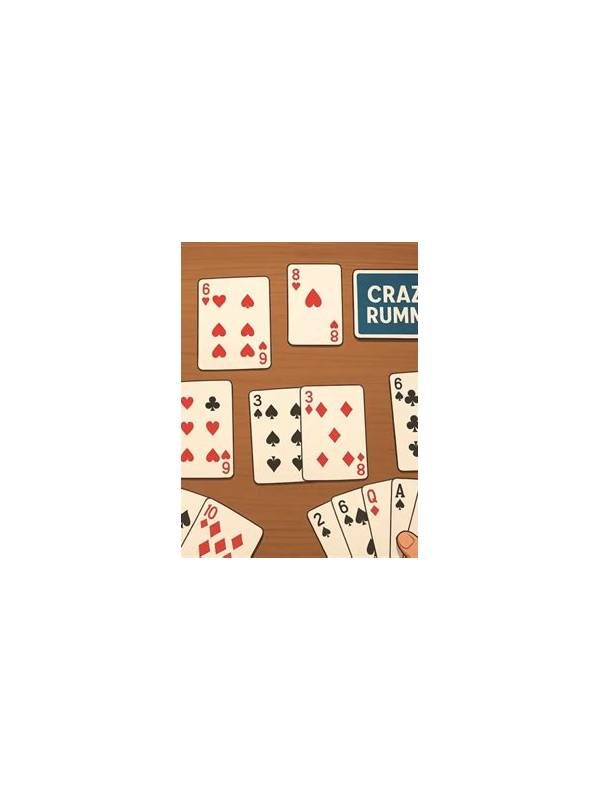
Many rummy hands look confusing because every card appears to have several possible jobs. A middle card may fit two sequences, while a pair may become a set or remain a waiting combination. Instead of trying to solve the whole hand at once, divide it into three clear groups: a reliable group, a developing group, and a reserve group. This is a planning exercise, not a promise that the groups will survive.
The reliable group contains cards already arranged in a valid or nearly fixed structure. A completed pure sequence is the strongest example. A connected run with only one obvious missing card can also belong here, provided the missing card is not needed by several other plans. Protect this group from casual rearrangement. Breaking a sound structure to chase a speculative one usually creates more problems than it solves.
The developing group contains cards with genuine connections but no finished shape. A six and eight of the same suit may be waiting for a seven, while two queens from different suits may be useful for a set. Keep only the possibilities that have a reasonable number of routes. If a group depends on one exact card and that card is unlikely to appear, label it weak rather than treating it as progress.
The reserve group contains isolated cards, duplicate high cards, and pieces that currently support no sensible plan. Its purpose is to make discarding easier. When you draw a card, first ask whether it improves the reliable or developing group. If not, compare it with the reserve and discard the card that has the least future value. This keeps the hand from becoming a collection of attractive but unrelated ideas.
Recheck the three groups after each meaningful draw. A card that was useful two turns ago may become redundant once a sequence is completed. Conversely, a reserve card can become valuable when a new connector appears. The method works because it separates evidence from hope. You are not required to predict the final hand; you only need to know which group deserves protection and which card can leave with the smallest cost.
This grouping method is also useful when the hand changes suddenly. If a draw completes the reliable group, move the old developing group into the primary position only if it has enough support. If nothing improves, resist the urge to rearrange every card. A stable description makes the next comparison easier and keeps a missed draw from feeling like a complete reset.
When practicing, pause after a few turns and name the three groups aloud. Check whether your labels describe actual connections or merely hoped-for cards. Over time, this small routine improves visual organization and helps you notice when a loose hand is becoming coherent.
Related Post

Rummy How-To: Compare Two Discards With a Regret Test
A quick regret test helps compare discards by considering both immediate value and the danger [...]
Rummy FAQ: What Does a Dead Card Mean in Practice?
This plain-language FAQ explains how to recognize a card that currently adds little value to [...]