Rummy FAQ: Can You Learn Without Playing for Money?
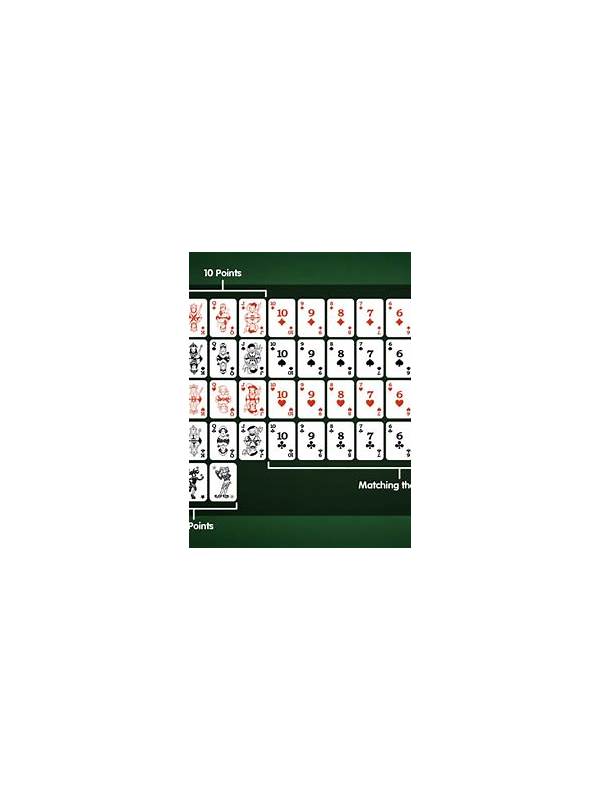
Yes. The main skills of rummy—recognizing sequences, building sets, comparing gaps, and checking declarations—can be practiced without entering a paid table. Learning in a low-pressure setting also gives beginners time to understand the rules before money or a timer changes the experience.
One option is a practice mode offered by the platform. Read its description carefully because practice rules, scoring, and available features may differ from live formats. Use it to sort hands, test arrangements, and learn how the interface handles the open and closed piles. Do not assume that a free mode proves the exact conditions of a paid table.
You can also use a standard deck at home. Deal thirteen cards, sort them by suit and rank, and identify one pure sequence, possible sets, and isolated cards. Write down two possible arrangements before checking which one uses every card exactly once. A friend can deal fresh hands, but agree on the variant rules first so the exercise has a clear standard.
Short drills are often better than long, unfocused sessions. Spend ten minutes comparing two discard candidates, checking a sample declaration, or identifying the cards missing from a sequence. Record one observation, then stop. This develops pattern recognition while preserving attention for ordinary responsibilities.
Money is not a requirement for learning discipline either. Practice setting a session timer, taking breaks, protecting account information, and stopping when focus drops. If you later choose to play for money, verify eligibility, local rules, fees, and responsible-play controls independently. Free practice cannot predict results, but it can build vocabulary and habits without making mistakes financially expensive.
Ask a practice partner to explain a different arrangement, then compare both hands against the written rules. This develops communication as well as card recognition. When you eventually move to a live table, begin with the smallest suitable commitment, use the same time limits, and remember that learning is still possible without increasing stakes. Practice can cover more than combinations. Learn where the rules, help, support, and responsible-play controls are located. Test how to leave a table, read a score, and recover from a connection interruption. These operational skills reduce pressure when you later explore a live format. Keep the purpose of each exercise clear, and finish when the planned learning task is complete rather than extending practice indefinitely. The strongest foundation is understanding, not urgency. Give each exercise a clear endpoint and keep the experience within your chosen limits.
Related Post

Rummy Tips: Set a Maximum Number of Replans
Limiting mid-hand replans can protect attention while still leaving room to respond to meaningful new [...]
Rummy Table Setup: Improve Visibility Before the First Deal
A few setup checks can make cards, timers, and rules easier to read before a [...]