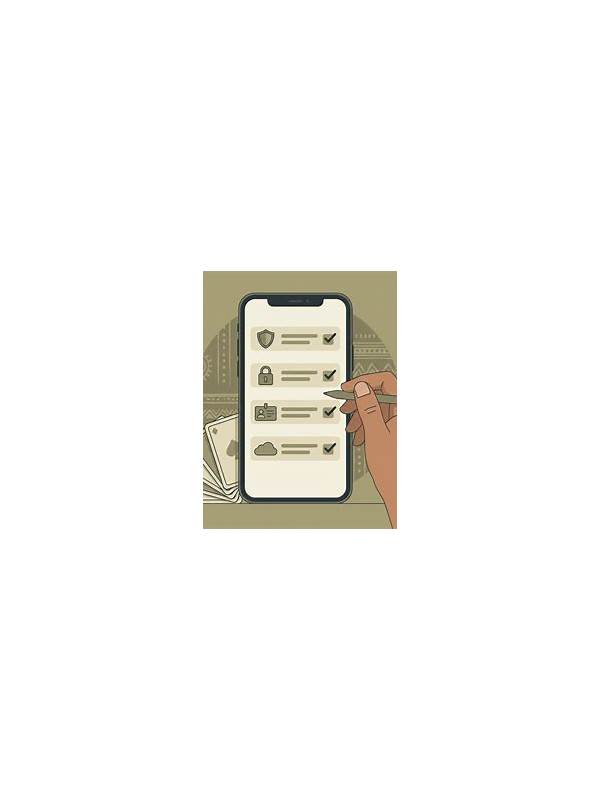
A Safe Checklist for Rummy Account Closure
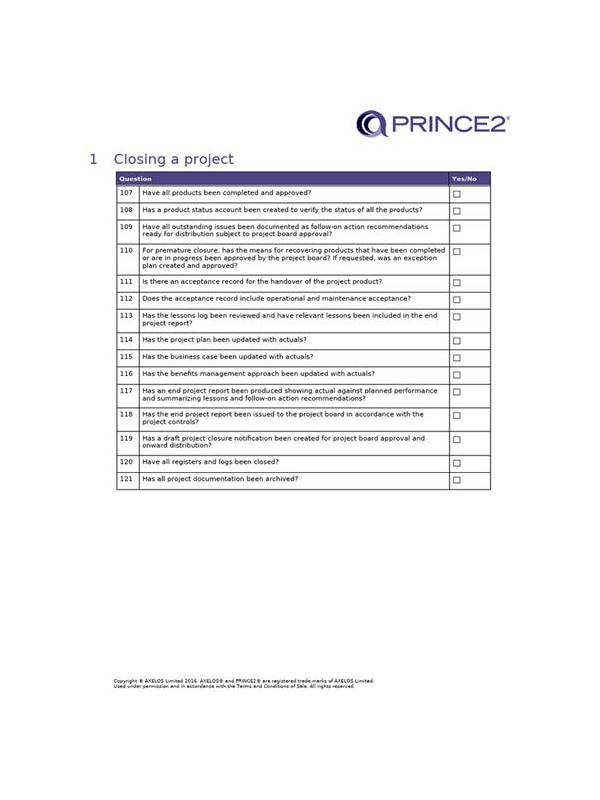
Closing an account is a normal choice when a service no longer suits you. Start by reading the platform’s official closure and withdrawal instructions. Rules may require a zero balance, completed verification, or a support request. Use the website or app you already trust, and do not follow an unsolicited link claiming to process closure.
Before submitting the request, review your balance and transaction history. Confirm whether any legitimate withdrawal is pending and save the reference number in a private location. Promotional credits may not be withdrawable, and a closure request can affect access to records. Do not pay an unexpected fee to unlock a balance; verify such claims through official support.
Remove optional payment methods only through authenticated account settings. Do not send card numbers, passwords, or identity documents through chat or email unless the official process specifically requires a secure upload. Change a reused password on other services after closure, especially if the rummy account shared an email address or password with them.
Request written confirmation of the closure and ask what data will be retained under the privacy policy. Keep only the records needed for disputes, taxes, or personal accounting, and store them securely. If the service offers a cooling-off or self-exclusion option instead of permanent closure, choose the option that matches your intention.
After confirmation, uninstall unofficial copies and remove saved browser sessions from shared devices. Watch account-related email for a short period, but do not respond to suspicious messages. If support does not answer, document dates and use the published complaint route. Closing an account should reduce exposure and pressure, so prioritize security and do not reopen it impulsively.
If you are closing because play has become difficult to control, make surrounding changes at the same time. Remove bookmarks, mute promotional email, and tell a trusted person about the boundary if that would help. Do not substitute another gaming account or service immediately. A cooling-off period gives the decision room to hold.
For a routine closure, keep the confirmation until any legitimate financial matter is resolved. If a dispute remains, use dates and transaction references in the official complaint. Avoid public posts containing personal documents. Once the matter is complete, delete unnecessary copies and check that no active session remains on devices you share. A clear record protects you without keeping the account active.
Closure is not the same as deleting every lawful record immediately. Keep only what you need, protect it with device security, and follow applicable retention requirements. Once all questions are settled, remove unnecessary copies and avoid unofficial account-recovery services that request sensitive information.
Related Post

Rummy Comparison: Early Discard Versus Late Discard
Compare early and late discards by information, flexibility, and the risk of revealing useful cards. [...]
How to Rebuild a Rummy Hand After a Bad Opening
A structured reset can turn a scattered opening hand into a manageable set of decisions. [...]