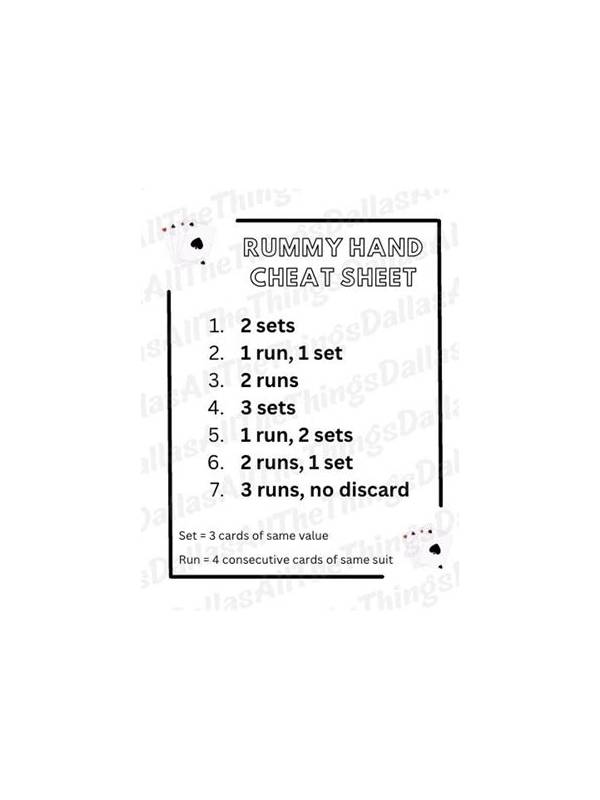
Rummy Guide: Build a Rule Checklist Before Joining a Table
Joining a new rummy table can feel familiar while still hiding important differences. The number of cards, joker treatment, scoring system, declaration requirements, and timeout rules may not match the format you usually play. A short rule checklist gives you a deliberate pause before the first draw. It is useful for beginners and experienced players because memory often fills gaps with the rules of a different table.
Start by identifying the objective. Ask whether the table uses points, pool, deals, or another scoring structure. Then check the hand size and whether one or more jokers are selected. These details affect how quickly a hand can change and how much value should be assigned to an unfinished group. Do not begin planning melds until you know what a winning arrangement must contain.
Next, confirm the declaration conditions. Many formats require a particular number of sequences, including at least one pure sequence, but the exact requirement should come from the table rules. Look for information about invalid declarations, penalties, and whether a declaration ends the round immediately. A correct-looking hand can still be incomplete if one group is being used in a way the format does not allow.
Make a second checklist for practical conditions. Note the turn timer, reconnect behavior, minimum entry amount if applicable, and how a completed game is recorded. If rules or fees are difficult to locate, treat that uncertainty as a reason to pause. Never assume that a familiar brand name means every table has identical conditions.
Finally, repeat the key points in your own words: objective, hand structure, joker rule, declaration test, and score consequence. This takes less than a minute and creates a clean starting state. If you cannot explain one item, use a practice or free table first. A rule checklist is not a strategy for winning; it is a way to ensure that your decisions are aimed at the game actually being played.
Keep the checklist available for the first few rounds, then shorten it as the format becomes familiar. If the table changes, start again rather than relying on habit. You can also use the checklist when teaching another player: explain one rule at a time and ask them to describe its practical effect. Clear expectations make the game easier to enjoy and make later hand analysis more meaningful.
Write the answers down once if needed, and consult them before making a commitment.
Related Post
Rummy Comparison: Open Information and Private Information
Compare the two information sources in rummy and use each one with appropriate caution. [...]
Rummy How-To: Build a Discard Review Habit
A brief review after each discard can reveal whether your choice protected progress, reduced risk, [...]