Rummy Comparison: One Deck View or Group View?

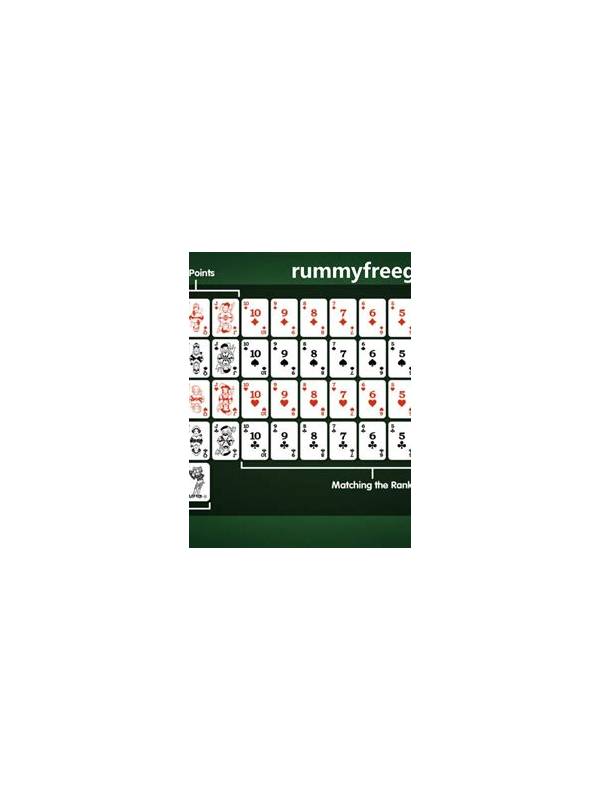
There are two useful ways to look at a rummy hand. Deck view treats every card as part of one inventory, while group view arranges cards into proposed sequences, sets, and leftovers. Neither view is sufficient on its own. Deck view preserves awareness of duplicates and missing cards; group view makes completion and legality easier to see.
Use deck view at the beginning of a hand. Sort by suit and rank, but do not commit immediately. This reveals broad distribution and prevents the first attractive pair from becoming the entire plan. Notice natural groups, flexible middle cards, repeated ranks, and stranded high cards. The question is not “what can I meld right now?” but “which structures are credible enough to examine?”
Switch to group view once you have one or two candidate routes. Place cards into provisional groups and leave uncertain cards visibly separate. A group view helps you count missing cards and test whether a card is being used twice. It also reduces visual scanning time when the turn clock is active. Label an uncertain group as possible rather than complete.
Return to deck view when new information changes the hand. An opponent’s discard, a useful open card, or a failed draw can make one route less attractive. Looking at the full inventory prevents you from endlessly polishing a group arrangement that no longer fits the available evidence. The switch should be brief: inspect, update, then organize again.
For online play, use the interface’s sort options carefully. Automatic arrangement may be convenient, but it can hide the reasoning behind a grouping or place a joker where you do not expect it. Confirm suit and rank yourself. On a small screen, consistent physical positions can help, yet visual convenience must never replace the rule check before a declaration.
Which view is better late in the hand? Group view usually deserves priority because you need a clear legal finish and a safe final discard. Still, a quick deck-view glance can catch a duplicate, an overlooked connector, or a card accidentally omitted from a proposed sequence. Keep the late check focused rather than starting a fresh analysis.
Practice switching views with sample hands. Spend a few seconds inventorying, a few seconds grouping, then explain what caused the switch back. This trains flexibility without encouraging constant rearrangement. The best view is the one that answers the current question: what information is available, and what legal structure can I complete?
Related Post
Rummy How-To: Set a Review Point Before Taking a Risk
A predefined review point helps evaluate a risky rummy plan before it becomes difficult to [...]
Rummy How-To: Create a Fair Review After a Difficult Session
Review a disappointing rummy session using process evidence instead of emotion. [...]