Rummy Guide: Compare Immediate Melds With Future Flexibility
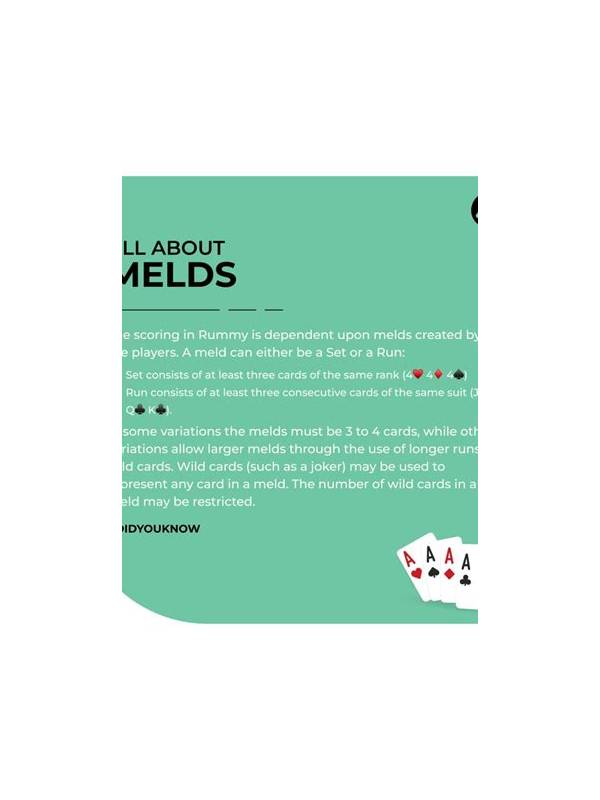
In rummy, a card group can look valuable because it is almost ready to lay down. That visual satisfaction is useful, but it can also hide an important question: what will remain possible after the group is formed? Comparing an immediate meld with future flexibility helps you make calmer decisions when a hand offers several plausible routes.
Start by describing the immediate meld in plain language. Is it a complete set, a sequence that needs one card, or a pair that could become either? Then list the cards that would be stranded if you commit to that group. A completed set may be excellent, but if it uses the only bridge between two other cards, the hand could become harder to finish. The purpose is not to avoid melds. It is to see their opportunity cost.
Next, count the live connections left after the proposed move. A flexible card is one that can still join more than one useful arrangement. A high card with only one nearby partner may have less practical flexibility than a middle card that connects to several ranks. This is a hand-reading exercise, not a promise about what the deck will provide. You are measuring options that are visible now.
Use a two-question test before discarding or rearranging. First, does the immediate meld reduce the number of awkward cards? Second, does it leave at least one realistic route for the remaining cards? If the answer to both is yes, the meld is probably constructive. If it solves one small problem while creating several isolated cards, delay it when the rules and table situation allow.
Turn the comparison into a habit by naming your alternatives: “meld now,” “keep the connection,” and “discard the outlier.” Naming choices prevents a single attractive combination from taking over your attention. It also makes post-game review easier because you can identify whether the error was valuation, timing, or an unlucky draw.
The best choice will change with the format, score, turn order, and visible discards. A flexible hand is not automatically better than a finished group, and a quick meld is not automatically greedy. The practical goal is balance: reduce risk while preserving enough structure to respond to new information. Before deciding, imagine the next ordinary draw rather than the perfect one. If the hand still has a sensible response after a blank card, its flexibility has practical value. If one miss leaves no plan, the immediate meld may deserve priority. This small thought experiment keeps the comparison grounded in resilience instead of excitement.
Related Post
Rummy Tips: Track Which Cards Have Lost Value
A practical review method helps you notice when a once-promising rummy card has become a [...]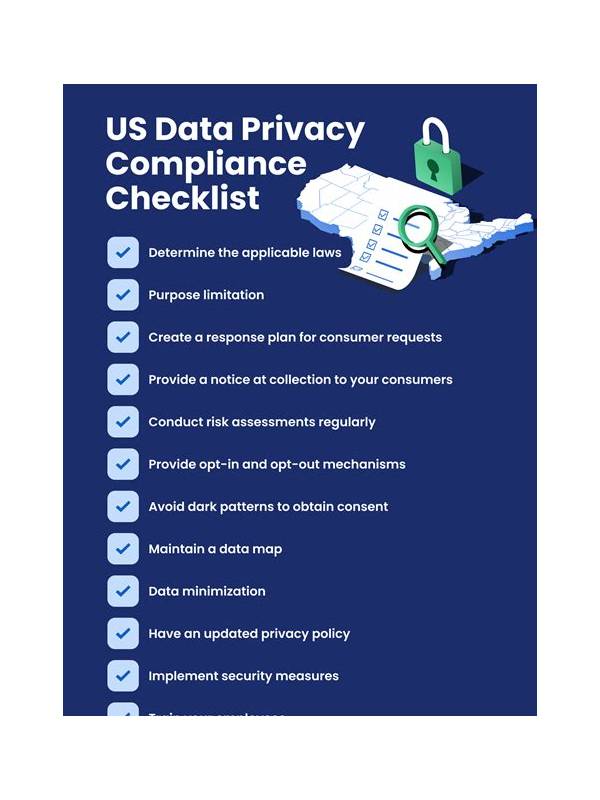
A Privacy Checklist for Online Rummy Accounts
Use this practical checklist to limit unnecessary data exposure when setting up an online rummy [...]