Rummy How-To: Make a Decision Log After Each Practice Hand
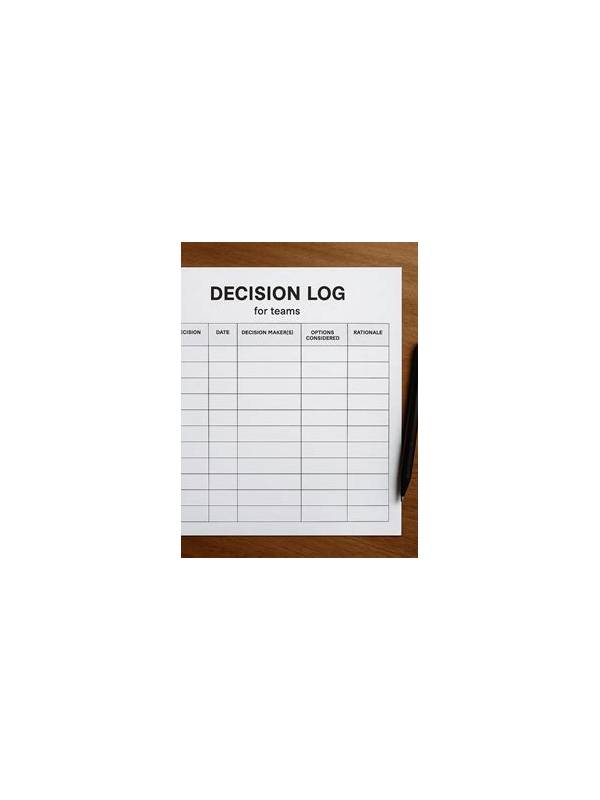
Reviewing a rummy hand is most useful when it captures decisions rather than only the final score. A short decision log gives you evidence about your habits and makes improvement easier to measure. It can be kept on paper or in a private note, with no need for elaborate statistics.
Begin with three facts: the format, the length of the hand, and the point at which your plan changed. Then record two or three decisions that felt important. Examples include taking a card from the discard pile, breaking a pair, holding a high card, or choosing a declaration. Write what you believed at that moment, not what you know after seeing the result.
Separate process from outcome. A sensible decision can lead to an unlucky draw, while a weak decision can occasionally succeed. In your log, describe the available information and the alternatives. “I kept the connected low cards because they had two possible sequence routes” is more useful than “I played well.” This language helps you evaluate reasoning instead of rewarding luck.
Look for repeated patterns after several hands. You may discover that you keep high cards too long, ignore the discard pile, or change plans without a clear trigger. One example is not a diagnosis. Three or four similar notes are stronger evidence and point toward a specific practice exercise.
Keep the log brief enough to maintain. A useful template has five lines: format, starting idea, key decision, evidence available, and one adjustment for next time. If a hand was emotionally difficult, add a note about concentration or impatience. Mental state can explain a rushed choice without becoming an excuse.
Review old notes before a practice session, but choose only one behavior to monitor. Trying to repair everything at once creates noise. You might focus on releasing unsupported high cards, then record only decisions related to that goal. After a few sessions, compare whether the behavior changed and whether your reasoning became clearer.
The purpose of a decision log is curiosity. It is a private feedback loop that makes your play more deliberate. Over time, a handful of honest notes can reveal more than a long list of wins and losses, because they show how you respond when the hand is uncertain.
Protect the log from hindsight bias by writing the note before checking a replay or discussing the hand with someone else. If you do review a replay, add the new observation under a separate heading. This preserves the difference between what you knew during play and what became clear afterward, which is exactly the distinction that good practice needs.
Related Post

Rummy FAQ: Why Does Hand Arrangement Matter?
A consistent arrangement improves visibility and reduces mistakes even though it does not change the [...]
Rummy Comparison: Counting Routes Versus Counting Cards
Counting possible routes and counting individual cards answer different questions during a rummy hand. [...]