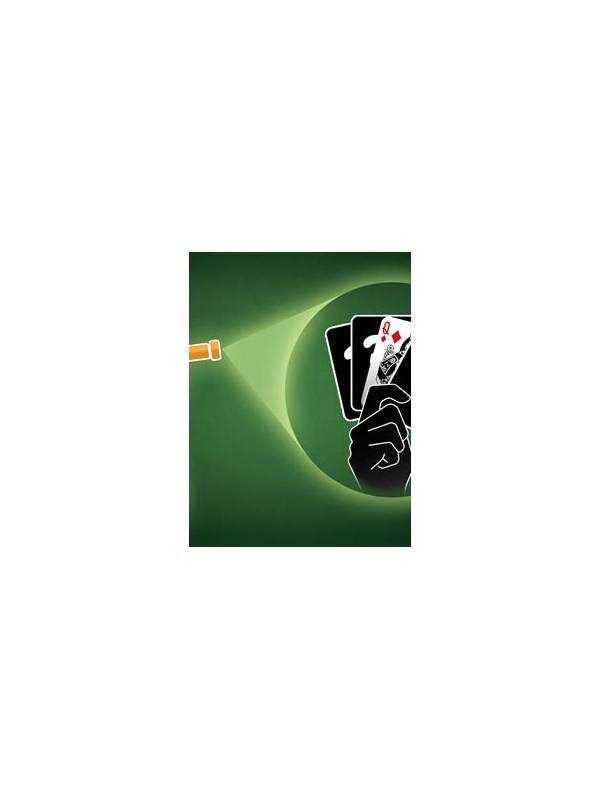
Rummy Comparison: One Review Question Versus Full Hand Analysis
A full rummy hand analysis can teach a lot, but it is not always practical after every session. A single review question is faster and often easier to answer honestly. The best choice depends on what you are trying to improve.
Use one question when you need consistency. You might ask, “Did I protect my best connection?” or “Did I check the discard before committing?” A narrow question keeps the review from becoming a general judgment about the whole hand. Record one example and one adjustment for next time. This method works well after short practice sessions or when you are still building a routine.
Use a full analysis when the hand contained a major turning point. Reconstruct the opening groups, the key draws, the candidate discards, and the final structure. Separate information available at the time from facts learned later. This prevents outcome bias, where a discard looks foolish only because the next card happened to complete an opponent’s route.
The two methods can work together. Begin with one question to identify the central issue. If the answer reveals a larger pattern, expand that hand into a full review. If not, keep the note short. This keeps analysis proportional to the lesson.
Avoid measuring review quality by its length. A long account of every card may hide the one decision that actually matters. A concise note can be powerful if it identifies the route considered, the risk accepted, and the evidence that would have changed the choice.
Choose the method you can repeat. Focused questions are good for habit formation; full analyses are good for complex errors and turning points. Both should end with a practical next step, such as setting a deadline for a speculative pair or adding a final declaration check.
Time-box the full review when you use it. A five-minute limit encourages you to identify the turning point instead of retelling every event. If the hand still raises questions, save one follow-up question for a later practice round. This keeps analysis from becoming another form of overplaying and lets you compare several hands with the same question. If several lessons compete, choose one to test first and leave the others for later. A manageable review habit is more useful than an exhaustive note that you stop using.
Related Post
Rummy Practice Review: Turn Notes Into One Useful Lesson
Limiting a practice review to one observable lesson makes improvement more practical and sustainable. [...]
Rummy Tips: Use a Two-Question Discard Check
Two short questions can reduce impulsive discards while keeping your turn efficient. [...]