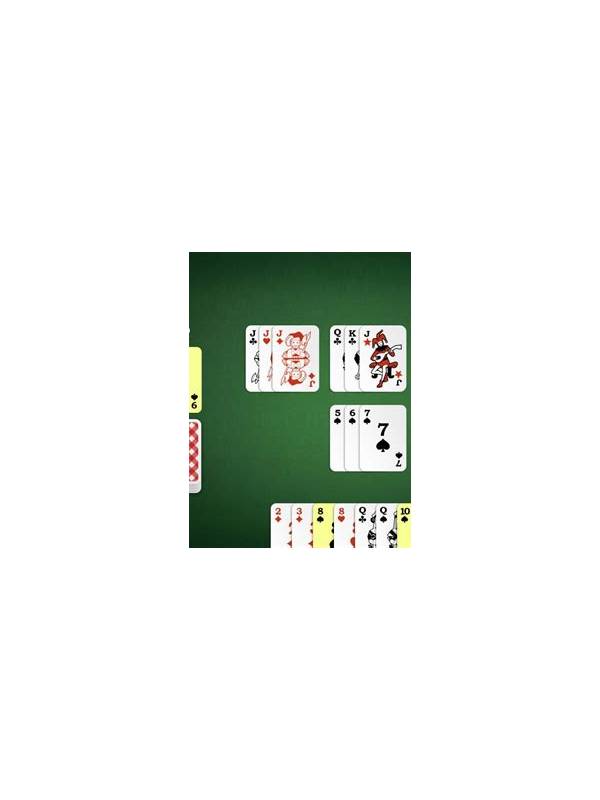
Rummy Guide: Use a Three-Lane Plan for a Messy Opening Hand

Some opening hands contain no obvious sequence and several cards that appear to compete. Trying to solve everything immediately can create confusion. A three-lane plan gives each card a temporary role while you collect more information.
The first lane is confirmed. Put cards here only when they form a valid group or a strong, clearly connected partial sequence. These cards are protected, but not sacred. If a later draw creates a better structure and the rules permit rearrangement, you can still revise them.
The second lane is developing. These are cards with at least one credible route to a meld. A connected pair, a pair of equal values, or a flexible middle card may belong here. Limit this lane to the best few possibilities. If everything is marked as developing, the label has stopped helping.
The third lane is disposable. Cards go here when they are isolated, expensive, or dependent on an unlikely exact draw. Disposable does not mean instant discard; check the visible pile and your opponent’s likely interest before acting. It simply means these cards should not control your main plan.
After each turn, move cards between lanes. A useful draw can promote a developing pair into a confirmed group. A delayed route can move backward. A high card with no support should generally remain disposable unless new evidence changes its value. This movement is the point of the method: it makes reassessment normal instead of embarrassing.
Use the lanes to answer one question before discarding: which disposable card has the weakest reason to stay? If two are close, choose the one that gives away less useful information or carries the greater penalty. Then identify the best developing route for the next turn.
The plan is intentionally temporary. It does not predict the deal or guarantee a declaration. It reduces mental clutter, especially when the opening hand is unattractive. With practice, you will begin to see structure sooner while remaining willing to release a plan when the evidence changes.
The lanes can also support table etiquette. Make changes at a deliberate pace and confirm the intended discard before tapping. When a connection is slow, keep the three roles in mind while waiting instead of making several rapid inputs. A simple external note can help during practice, provided it does not violate the table’s rules.
If the hand improves suddenly, promote only the cards that truly form a group. Leaving one uncertain card in the developing lane keeps the plan honest and avoids mistaking optimism for confirmation.
Related Post
Rummy Guide: Build a Backup Plan Around One Strong Group
A reliable backup plan protects a confirmed group while keeping uncertain cards replaceable. [...]
Rummy Connection Distance: Measuring How Much a Card Needs
Counting the distance between cards offers a practical way to compare promising and speculative combinations. [...]