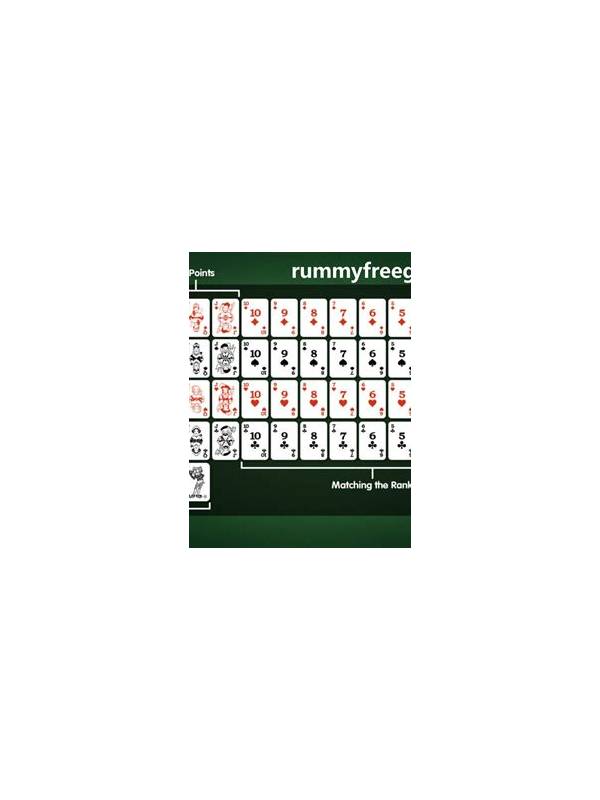
Rummy FAQ: Does a Discard Reveal More Than You Intend?
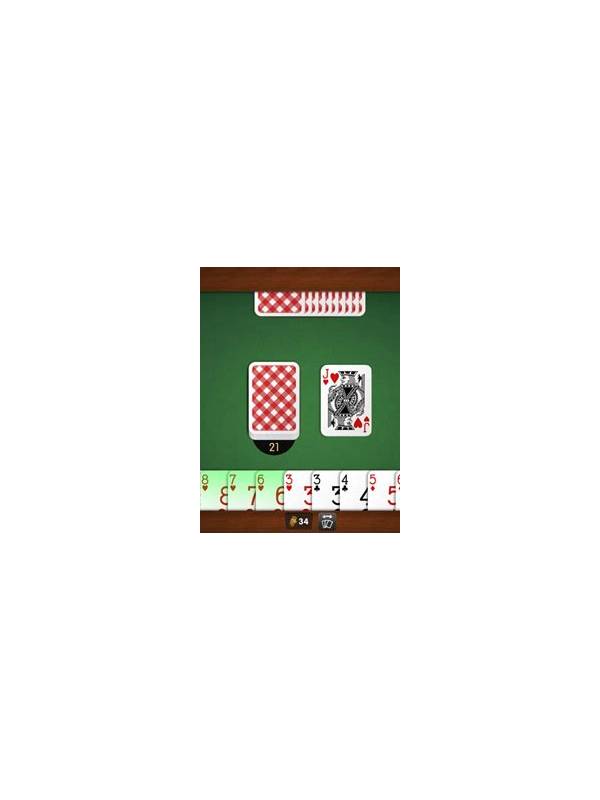
Every discard provides information, but it rarely provides a complete story. An opponent may notice the suit, value, and timing of a card, then form a hypothesis about your hand. Treat that possibility as a reason for balanced decisions, not as a reason to make irrational discards.
The clearest signal is a card that would obviously connect to a recent pickup. If you take a seven of spades and soon discard a six of spades, another player may infer that your plan changed or that the six did not fit. Repeated discards from one suit can also suggest that you are avoiding that suit, although the inference may be wrong.
Timing matters because an early discard usually says less than a late one. Near the end of a hand, players have fewer spare cards and each release may appear deliberate. Still, visible evidence is incomplete. An opponent cannot see cards you drew and rejected, and they may misread a defensive discard as a failed combination.
The safest response is to prioritize hand quality. Do not hold a bad card solely to hide your plan. Instead, when two discards are close in value, consider which one gives away less about your strongest route. A card that is isolated and high may still be the correct release even if it is informative.
Avoid theatrical randomness. Discarding a useful card just to look unpredictable can damage your own hand more than it confuses anyone else. A better habit is to maintain two credible routes until the evidence favors one, then discard consistently according to value and flexibility.
After a session, review a few visible sequences of pickup and discard. Ask what you would have inferred and how confident you would be. This builds awareness without assuming opponents are always reading you correctly. Information management is one layer of rummy strategy; it works best when it supports sound card selection rather than replacing it.
Remember that an opponent’s interpretation can be useful to you as well. If your discard appears to invite a particular pickup, watch what happens next, but do not overreact to one move. Patterns become more informative when they repeat across several turns. Keep your own decisions grounded in the hand you can actually build.
Privacy and fairness still matter: never use outside information or communication that the table rules prohibit. Reading visible play is part of the game; accessing hidden data is not.
Related Post
Rummy Safety: Protect Your Device on Shared Networks
Basic device and network habits reduce avoidable account risk when playing away from home. [...]
Rummy Safety: Recognize a Session That Is Becoming Compulsive
Notice early warning signs of unhealthy play and use practical steps to pause before the [...]