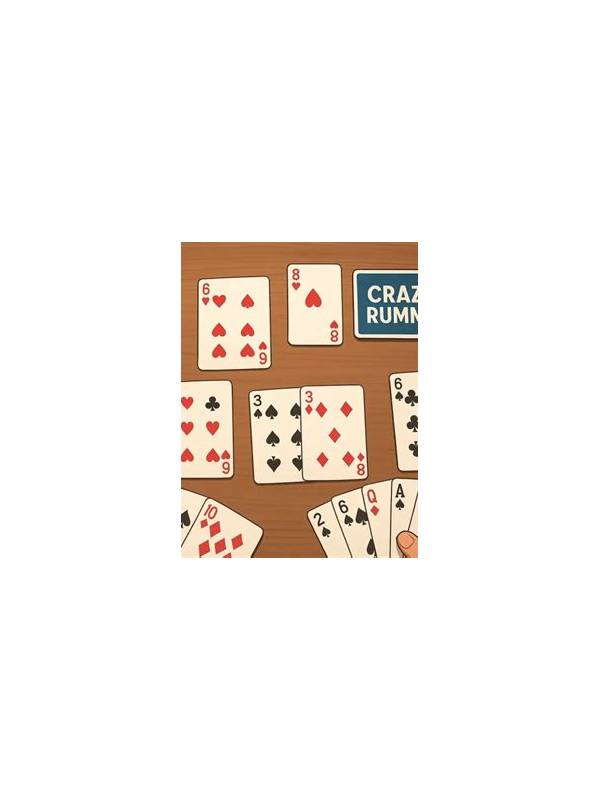
Rummy Tips: Test a Hand With the One-Card-Change Question
When a hand feels confusing, ask: “If I could change only one card, which change would improve the structure most?” The question does not predict the next draw. It reveals the bottleneck in your current arrangement and helps you decide what to protect.
To use it, arrange confirmed groups first and set loose cards aside. Imagine replacing each loose card with the most useful realistic card for its role. A pair might need a matching value, while a connected sequence might need a neighboring card of the same suit. Compare the resulting improvements: would one change complete a group, create a natural sequence, or merely make another loose pair?
The strongest one-card change identifies a promising route. The weakest route may identify a discard. If a card can improve in several ways, it may deserve protection. If it only becomes useful through one exact replacement and currently carries a high penalty, it may be less attractive than it first appeared.
Repeat the question after the draw, because the bottleneck can move. A new card may complete a sequence and leave a different loose card as the main problem. This keeps you from treating the opening structure as permanent. It also creates a natural reason to reassess rather than continuing from habit.
Do not confuse the best imagined replacement with the most likely replacement. The exercise is about structure, while probability and visible discards help judge availability. A dramatic improvement that depends on a card already seen several times should be treated cautiously.
The question is especially useful when choosing between two partial plans. If one plan becomes a completed meld after one plausible change and the other needs several precise changes, the first deserves priority. If both need one change, compare penalties, flexibility, and the cost of waiting.
Used regularly, this small test turns a vague hand into a clear problem statement. You still need judgment, but you know what the hand is asking for and which card is preventing progress.
Write the answer in plain language during practice. For instance, “This card is the bottleneck because both groups need it” is more useful than “keep the flexible card.” Clear words expose unclear thinking and make it easier to compare the same hand after a different draw.
Do not turn the question into a promise that the imagined card will arrive. It identifies priorities; the discard pile and timing still determine whether waiting is sensible.
Related Post
Rummy Guide: Turn a Loss Into One Actionable Lesson
A focused review routine helps you learn from a losing rummy round without relying on [...]
Rummy Endgame Sorting When the Hand Is Nearly Ready
Finish a nearly complete rummy hand with a structured scan instead of last-second rearranging. [...]