Rummy Guide: Recognize When a Card Is Doing Two Jobs
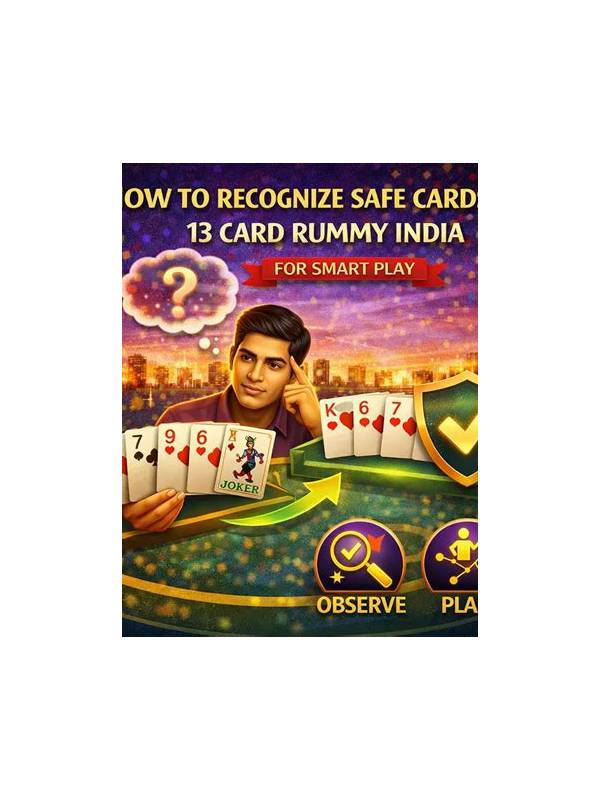
Some cards support more than one possible meld. A seven of hearts might sit beside a six of hearts while also matching another seven. This overlap creates flexibility, but it can also create confusion because the same card cannot normally be used in two groups at the same time.
Begin by writing each card’s roles separately. Mark sequence support, set support, and any role involving a wild card if the format permits one. Then identify overlaps. An overlapping card is valuable because it keeps multiple plans alive, but its value depends on what the surrounding cards can do without it.
Test each plan by removing the shared card mentally. If the sequence collapses completely without it while the set still has other support, the sequence may have the stronger claim. If both plans need the card and neither can progress, you may be holding too much dependence on one bottleneck. Look for a replacement or release one route before the hand becomes cramped.
Avoid double counting. When you say that a card supports two groups, do not treat it as if both groups are nearly complete. Evaluate the complete arrangements and their missing pieces. A card with two weak possibilities can be less useful than a card with one route that is already well supported.
New draws can resolve the overlap. A matching-suit neighbor may make the sequence decisive, while a duplicate value may favor the set. Until then, protect the card when the alternative routes are credible and its penalty is modest. Reassess after every draw rather than carrying the original preference forward.
This concept is useful beyond one hand. In practice drills, highlight shared cards and explain which route you would prioritize under different draws. You will become better at seeing flexibility as a temporary resource, not as permission to keep every related card. The aim is to convert overlap into a clear choice before the endgame requires one.
When teaching this idea, use small examples rather than full hands. Show one shared card with two possible partners, then add a draw that favors one route. This makes the change in priority visible. The same exercise helps experienced players notice when they are protecting a card because it is flexible in theory, even though the surrounding cards no longer support both jobs.
Once one route is clearly superior, stop calling the card “undecided.” Giving it a current role makes the next discard easier and prevents the old alternative from consuming attention.
Related Post
Rummy How-To: Build an Exit Checklist for a Game App
An exit checklist closes a session cleanly, protects account details, and reduces impulsive decisions after [...]
How to Spot a Misread Rummy Group Before Declaring
A deliberate final scan catches suit, rank, and joker mistakes that can invalidate an otherwise [...]