Rummy How-To: Verify a Hand Before Declaring
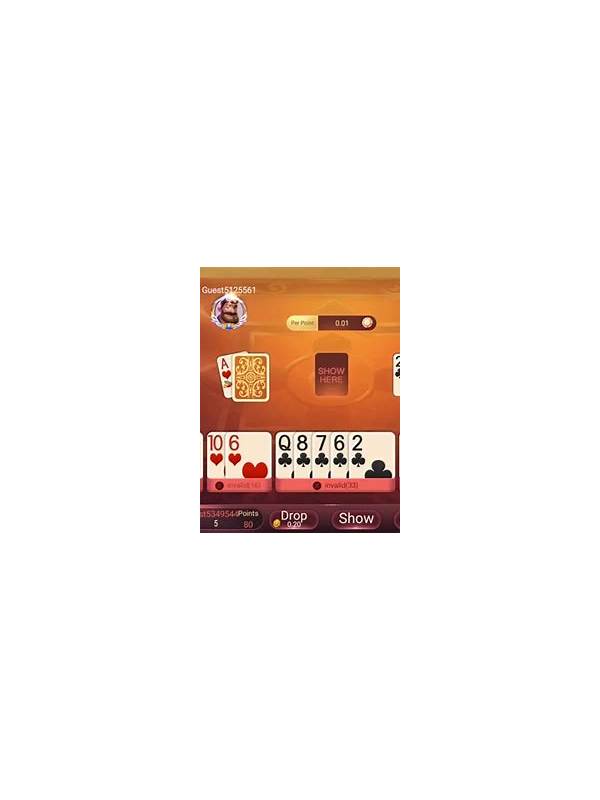
The endgame rewards accuracy more than excitement. When the hand is close to completion, use a fixed checklist instead of relying on the feeling that the cards “look right.” The exact declaration rules vary, so begin by learning the requirements for the format you are playing.
First count your cards and identify every intended group. Confirm that each group contains the permitted number of cards and that suits and values follow the table’s rules. Do not label a partial sequence as complete simply because the cards are consecutive in appearance; verify the suit and any special treatment of aces or wild cards.
Next check the required natural or pure structures. If the rules require a particular type of sequence, inspect that group separately and point to each card that makes it valid. A wild card may help one arrangement while making another invalid, so test the exact grouping you plan to submit.
Then search for loose cards. Sort the hand again if necessary and ask whether every card appears in one, and only one, group. Overlapping cards are a common source of mistakes because they seem to complete two plans at once. Move them mentally from one group to another and ensure that all remaining groups still satisfy the rules.
Finally check the interface and timing. Make sure you have selected the intended cards, read any confirmation message, and are not acting while distracted by a notification or connection problem. If the app displays a declaration preview, inspect it before confirming. Never rush because an opponent appears close; a fast invalid action can cost more than a careful pause.
Practice the checklist with sample hands until it takes less than a minute. A repeatable process protects you from excitement, fatigue, and visual clutter. It does not guarantee a favorable result, but it helps ensure that the result reflects the hand you actually built rather than an avoidable checking error.
Keep the checklist separate from strategy review. First verify whether the declaration is valid under the rules. Only afterward consider whether a different draw or discard could have produced a better hand. Mixing those questions during the final seconds can cause you to miss a basic requirement. Accuracy comes first; improvement analysis can wait until the hand is over.
If the interface is unfamiliar, practice the confirmation flow in a no-stakes setting. Knowing where the declaration button and preview appear removes avoidable pressure when a real hand reaches its final moment.
Related Post
Rummy Guide: Track the Cost of a Convenient Draw
A practical way to judge whether an attractive draw improves your hand or quietly creates [...]
Rummy Card Memorization: Practical Limits for New Players
A measured memorization routine can improve observation without creating unrealistic expectations. [...]