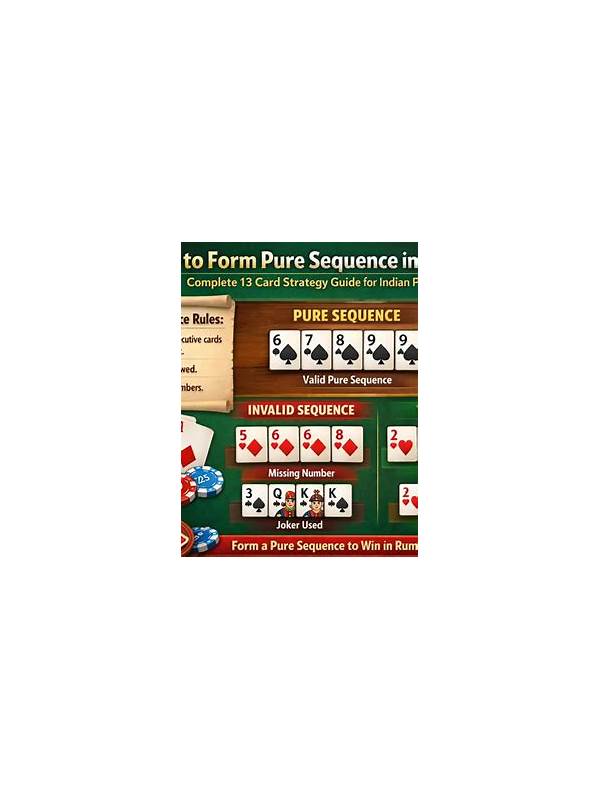
Rummy How-To: Mark Flexible and Rigid Cards in Your Hand
When a rummy hand becomes crowded, every card can start to look equally important. A quick flexible-versus-rigid classification brings order back. A flexible card can support several reasonable combinations. A rigid card has one narrow job or no current job at all. The labels are temporary and should change as the hand develops.
First, identify flexible cards. A middle card in a suit may connect on either side, while a rank that already has two matching suits may support a set. A card that belongs to a confirmed sequence is also valuable, although its flexibility may be lower because removing it would damage a complete group. Write a small F beside cards with at least two useful roles, either mentally or on paper during practice.
Next, mark rigid cards. An isolated high card is often rigid because it raises exposure without helping a current group. A low card at the edge of a possible sequence can also be rigid if only one exact neighbor would improve it. Do not confuse rarity with value: a card can be unusual and still have a narrow, unhelpful role.
Use the classification when deciding what to discard. If two cards are similarly disconnected, release the more rigid one first. If one candidate is high and another is flexible, the high card may still be the better discard when its penalty is significant. The point is not to follow a single automatic rule; it is to compare role, cost, and future options in a consistent order.
Update the marks after every important draw. A rigid card can become flexible when its neighbor arrives. A flexible bridge can become unnecessary when another group is confirmed. This prevents an early judgment from controlling the rest of the hand. It also helps you notice when you are protecting a card because of its history rather than its current function.
With practice, the labels become a fast mental scan. You do not need to evaluate every theoretical combination. Ask whether each card has a confirmed role, multiple plausible roles, or one narrow hope. Keep the first two categories when they support the broader plan, and make the last category earn its place. That simple vocabulary makes messy hands easier to manage. The classification can be revised quickly, so it remains useful even when a hand changes direction after an unexpected draw. During practice, make the marks before drawing the next card and compare them afterward. This small exercise shows whether your evaluation changed for a real reason or simply followed the newest card. Over time, it builds a habit of updating roles instead of defending an old interpretation.
Related Post
Rummy Tips for Recovering Focus After an Interruption
A short reset routine helps players return to a rummy hand without relying on memory [...]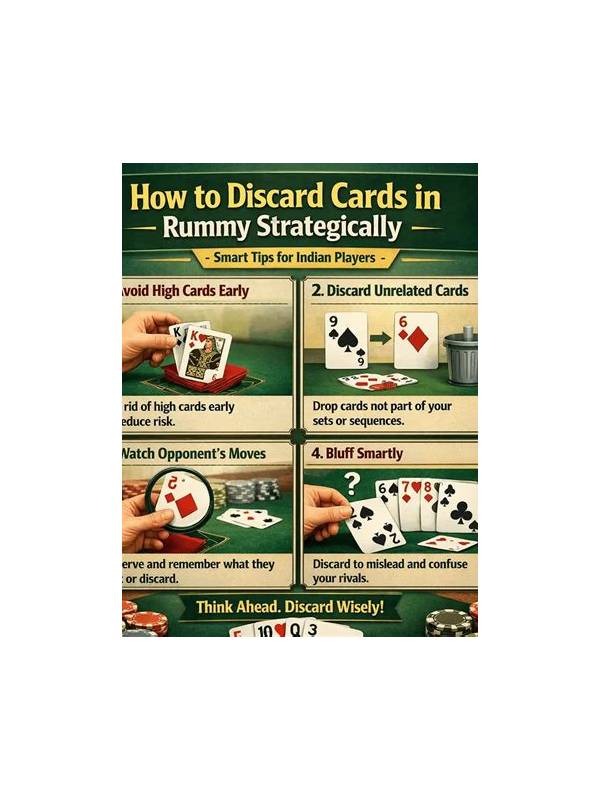
Rummy Guide: Choose a Discard When Every Card Has a Job
When every rummy card seems useful, compare jobs, deadlines, and replacement cost to find the [...]