Rummy FAQ: Why Can Hand Shape Matter More Than Card Count?
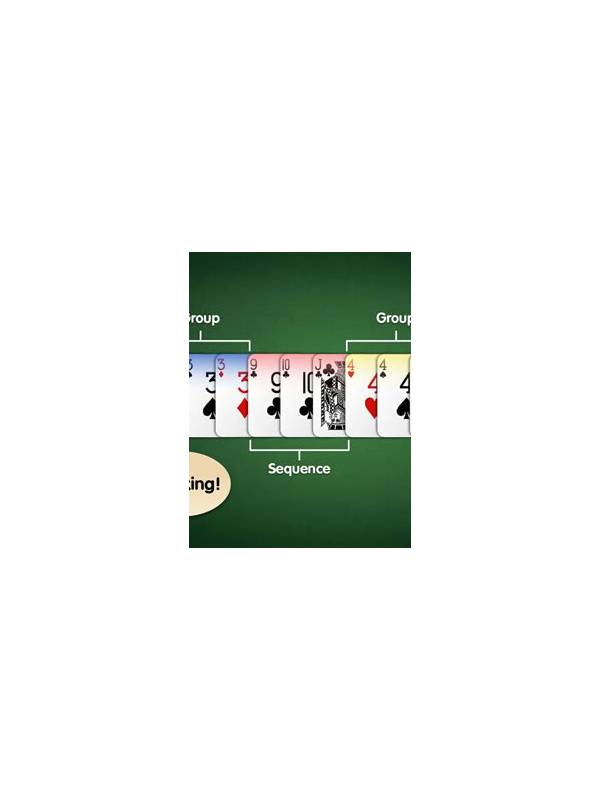
A hand can contain many cards that seem promising and still be difficult to finish. Another hand may contain fewer obvious matches but have a clearer shape. In rummy, hand shape means the way cards naturally cluster into possible sequences, sets, and singletons. It describes arrangement and flexibility, not just quantity.
Imagine holding three pairs spread across several suits. The hand has many matches, but each pair needs another card and the pairs may compete for the same middle ranks. Now compare a hand with one completed sequence, one connected pair, and two unrelated cards. The second hand may be closer to a valid declaration because its structure is more defined and its loose cards have clear discard candidates.
A useful shape has several qualities. It contains at least one dependable foundation, avoids too much overlap, and leaves a manageable number of unresolved cards. It also gives future draws more than one way to help. A pair such as eight and nine of one suit can improve with a seven or ten. A pair of identical ranks may need one of a limited set of matching suits. Both can be useful, but their flexibility differs.
Card count still matters, especially when points are at risk. High ungrouped cards should not be ignored simply because the hand looks organized. The better approach is to consider count and shape together. Ask how many cards are currently carrying a real role, how many are waiting for one specific outcome, and how many could be safely released.
Hand shape also changes after every draw and discard. A card that was valuable as a bridge may become unnecessary when another connection appears. Avoid judging the hand by its opening appearance. Re-sort it after meaningful changes and describe the new shape in plain terms: one confirmed group, two developing pairs, and three loose cards, for example.
The practical lesson is to pursue clean arrangements rather than collecting attractive fragments. When choosing between two cards, prefer the one that improves the overall shape: fewer isolated cards, less overlap, and more than one plausible next step. This perspective reduces the urge to chase every matching rank and makes decisions easier to explain after the hand ends. The shape check is valuable precisely because it asks what the hand can become, rather than rewarding a pile of cards that merely share a rank or color. Use this description during a review: “What is complete, what is connected, and what is merely hopeful?” The answer gives a more useful picture than counting pairs. It also highlights the next decision, because an isolated card or an overlapping pair can then be compared with the rest of the hand.
Related Post
Rummy FAQ: Can Two Cards Have the Same Strategic Role?
Two cards can share a role while differing in timing, risk, and the number of [...]
Rummy Tips: Compare a Card’s Value With Its Space Cost
Evaluate whether a promising card earns its place by comparing its flexibility with the space [...]