Rummy How-To: Build a Compact Learning Review After Play
A post-session review is most useful when you can repeat it. Long notes may feel thorough but are easy to abandon. A compact review with three parts—clear decision, uncertain decision, and next experiment—captures enough detail to improve future play while keeping the routine practical.
Start with one clear decision. Choose a moment when your reasoning felt organized, whether or not the result was favorable. Record the hand situation, the choice, and the reason in one or two sentences. This teaches you which habits already work and prevents improvement work from becoming a list of failures.
Then record one uncertain decision. Avoid writing only “I played badly.” Name the alternatives you saw and what made the choice difficult. Perhaps a discard protected a sequence but exposed a high card, or a visible pickup promised progress while forcing an awkward outgoing card. Specific uncertainty gives you something that can be tested later.
The final part is a small experiment for the next session. It might be “check the outgoing discard before taking a visible card” or “count shared bridge cards only once.” Select one behavior, not a collection of resolutions. A narrow experiment is easier to remember and produces clearer feedback.
Add the basic context: approximate session length, format, and attention level. These details help separate a strategic issue from fatigue or unfamiliar rules. Do not treat a single result as proof that the method worked or failed. Review several sessions before changing the habit.
Keep the review private and free of sensitive information. There is no need to record account details, payment data, or personal identifiers. A simple note in a notebook is enough. Over time, look for repeated patterns: the same kind of rushed discard, the same attachment to an unfinished pair, or consistent difficulty near the end of a hand.
The value of the review comes from closing the loop. You notice a decision, choose one question, and test it next time. That process improves judgment more reliably than replaying every card or judging the session only by who won. Once a week, scan the notes for one repeated pattern and one improvement. Delete details that no longer help and keep the language consistent. A compact archive should make the next practice choice easier, not become another obligation. If a note cannot influence a future decision, it probably does not need to be retained. If you miss a review, simply resume after the next session. A learning routine should survive an imperfect day. The best notes are brief enough to revisit, concrete enough to guide a choice, and limited enough that writing them does not replace the practice they are meant to support.
Related Post

Rummy Account Verification Questions Players Should Ask
Asking focused verification questions helps players understand identity checks and account protection before depositing. [...]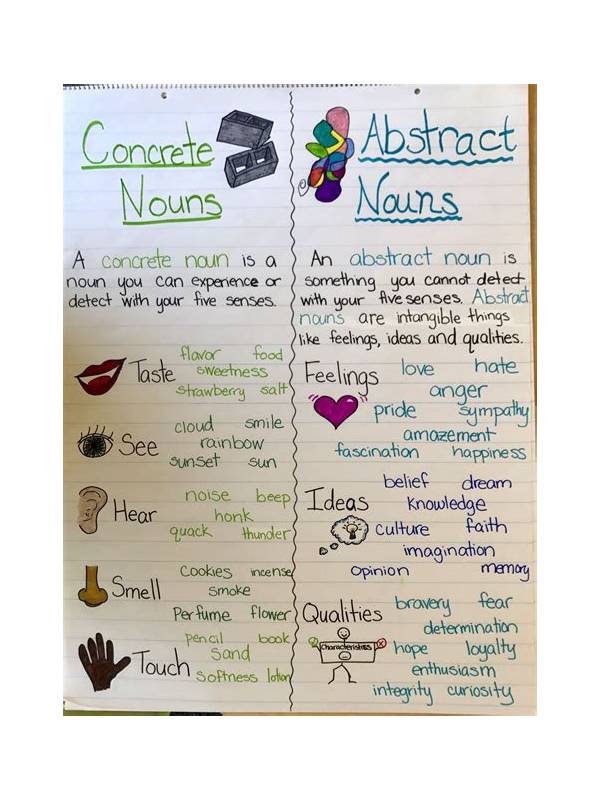
Rummy Comparison: Concrete Practice Hands Versus Abstract Drills
Concrete hands build recognition while abstract rummy drills isolate one decision skill for focused improvement. [...]