Rummy Guide: Handle Duplicate High Cards With a Clear Priority
Duplicate high cards create a familiar rummy tension. Two cards of the same rank may be useful for a set, but high cards that remain ungrouped can add unnecessary exposure. The right response is not to discard every high card immediately. Instead, decide which duplicate has the clearest job and how long that job deserves protection.
Begin with the group potential. If two matching high cards are joined by a third-suit match already in your hand, the set has a defined route. If they are only a pair, note how many matching cards could complete it and whether other cards in the hand have stronger roles. A duplicate without a realistic completion path should not be kept merely because it feels close.
Compare the pair with your sequence options. A high card may be an endpoint in a natural sequence, but endpoints generally have fewer useful neighbors than middle cards. If one duplicate also connects to a suit-based pair, it may be carrying two jobs. Protect it while the overlap is genuine, but do not count both possibilities as completed progress.
Set a release condition before the hand becomes urgent. You might release one duplicate when a better group is confirmed, when the needed matching cards are no longer plausible, or when you need to reduce high-card exposure. Choosing the condition early prevents a stubborn attachment to a pair that has not improved.
When discarding, consider what your action communicates. Throwing one of a matching pair may suggest that the rank is no longer important to you, though opponents cannot know whether the decision was forced. This information matters less than keeping a sound hand, but it can help you choose between equally weak candidates.
A practical priority is: protect confirmed groups, protect a duplicate with multiple roles, then protect a pair with a clear completion route. Everything else must justify its cost. This method keeps high cards from dominating the hand while preserving genuine opportunities to make a valid group. Do not let the fear of points cause an automatic discard from a confirmed group. Breaking a valid structure can create a larger strategic problem than holding one high card temporarily. Reduce exposure by improving the weakest part of the hand and by choosing release conditions that reflect the actual chance of completing the duplicate. Review duplicate high cards by asking what would make them valuable within the next few turns. If the answer is a single unlikely card, set a firm release point. If several cards could help or the pair supports another structure, keep it temporarily and reassess after each meaningful change.
Related Post
Rummy How-To: Practice the First Thirty Seconds of a Hand
A short opening routine helps you identify requirements, structure, and risk before the hand becomes [...]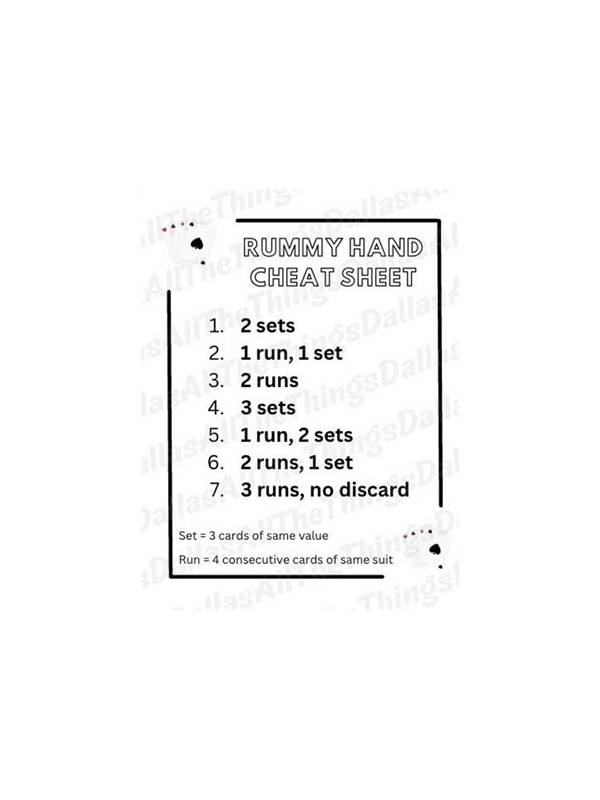
Rummy Tips: Check Your Hand From the Finish Backward
Working backward from a legal finish can reveal missing requirements that forward card matching overlooks. [...]