How to Compare Rummy Hands Using Expected Improvement
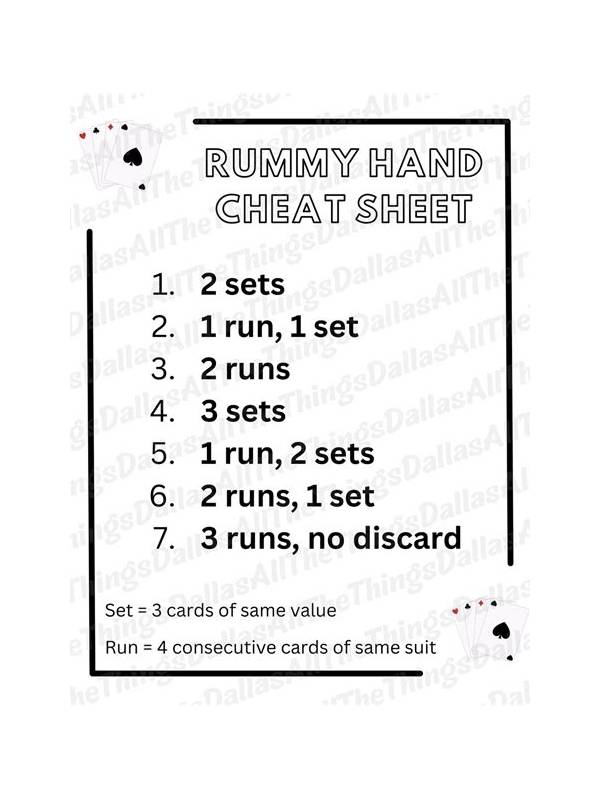
When two rummy plans look possible, compare their expected improvement instead of choosing the most attractive picture. Expected improvement is a practical question: if you keep this structure for another turn, how likely is it to become useful, and what do you give up by waiting?
List the cards each plan needs. A plan missing one specific card may be easier to complete than a plan that needs several ranks, even if the second plan would look elegant when finished. Count the number of realistic connectors already in the hand and distinguish them from cards that would require a narrow, uncertain draw.
Next, identify what the plan protects. A proposed sequence may use a card that currently supports a pair or another sequence. If committing to one idea destroys a dependable group, the plan’s potential improvement should be discounted. Keeping options can be sensible, but holding every option at once leaves no room to release weak cards.
Consider the cost of waiting. In some formats, an incomplete group carries points if another player declares. In others, a slow plan consumes valuable turns or makes the hand harder to organize. A plan that improves only after several exact draws may be poor even if each missing card appears possible.
Visible information can refine the comparison. A discarded card may show that a route is less likely to remain available, while a visible card you need may make a plan temporarily unrealistic. Do not assume you know what is hidden in another player’s hand. Use visible evidence as a factor, not as certainty.
Write a one-line comparison: “Plan A needs one nearby card and preserves a completed group; Plan B needs two exact cards and breaks flexibility.” This forces the choice into terms you can inspect. If the plans are close, choose the one that leaves a cleaner fallback after the next draw.
Review the comparison after the hand. Do not judge it only by whether the selected plan completed. A sound comparison can lose to an unlucky draw, while a weak plan can succeed occasionally. Ask whether the estimates were based on the actual cards and rules available at the time.
Expected improvement is not a demand to calculate exact odds. It is a discipline for weighing progress, protection, and waiting cost together. Used quickly, it helps players move from wishful combinations toward practical hand management.
The comparison can be approximate and still useful. Even a rough distinction between one-step progress and a distant hope is better than choosing solely because a plan looks elegant. Keep the review fast enough to fit the table’s pace.
Related Post
Rummy Learning: Turn Mistakes Into Specific Questions
Specific review questions make rummy mistakes easier to understand and improve. [...]
Rummy Tips: Verify Turn Order After a Reconnect
A reconnect deserves a deliberate turn-order check before you resume drawing or discarding. [...]