Rummy FAQ: How Does a Card Become a Commitment?
Keeping a card once does not always mean you have committed to it. You may be holding it temporarily while comparing routes. A commitment begins when the card starts controlling other decisions: you reject a better discard to protect it, wait for a narrow arrival, or organize several cards around its expected role.
Recognizing this moment is useful because unspoken commitments are easy to carry too long. After each turn, ask whether the card has changed the way you evaluate the rest of the hand. If the answer is no, it may still be a flexible observation. If the answer is yes, name the commitment and its condition for survival.
For example, a pair may become a commitment when you protect both cards from discards and begin waiting for a matching rank. A connector may become a commitment when you keep several neighboring cards around it. The commitment is not automatically wrong. It simply deserves a deadline or a clear reason.
Write the condition in concrete terms. “Keep this if another useful neighbor remains available” is better than “this feels promising.” “Keep it until the next two draws miss” is better than “give it more time.” A condition makes the plan reviewable and makes it easier to change without feeling that you are admitting defeat.
Commitment can also be positive. A confirmed group often deserves protection because it satisfies an important requirement. The difference is that a strong commitment is supported by structure, while a weak one is supported mainly by the time you have already spent waiting.
Watch for sunk cost. The fact that a card survived three turns does not make its next turn more valuable. Re-evaluate it using the current hand, current alternatives, and current time. Past attention is history, not evidence that the route will improve.
During practice review, mark the turn when each major commitment began. Then ask whether the commitment had enough evidence at that time and whether it received a timely exit test. This is more precise than saying you “chased” a card. It shows exactly where your plan became narrower than the information justified.
A commitment is a tool, not a trap. Name it, define what supports it, and decide what would release it. That small habit keeps your plan intentional while the cards continue to change.
This language is helpful in conversation too. Instead of saying that a card is “mine,” describe the job you are considering and the evidence it needs. Clear wording makes it easier to reconsider without embarrassment. It also keeps teaching discussions focused on choices and conditions rather than on whether a player appears confident.
Related Post
Rummy Safety: Use a Pause Rule After a Frustrating Loss
A predefined pause rule can protect your time, budget, and judgment after an emotionally difficult [...]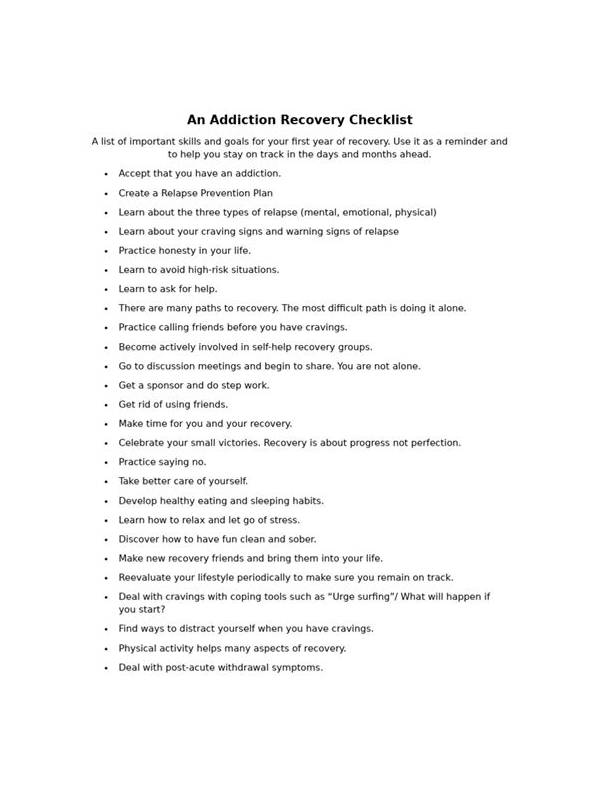
Rummy How-To: Make a One-Minute Recovery Checklist
A short recovery routine can restore clarity after an interruption, misread card, or technical pause. [...]