Rummy How-To: Compare Plans With a Simple Cost Table
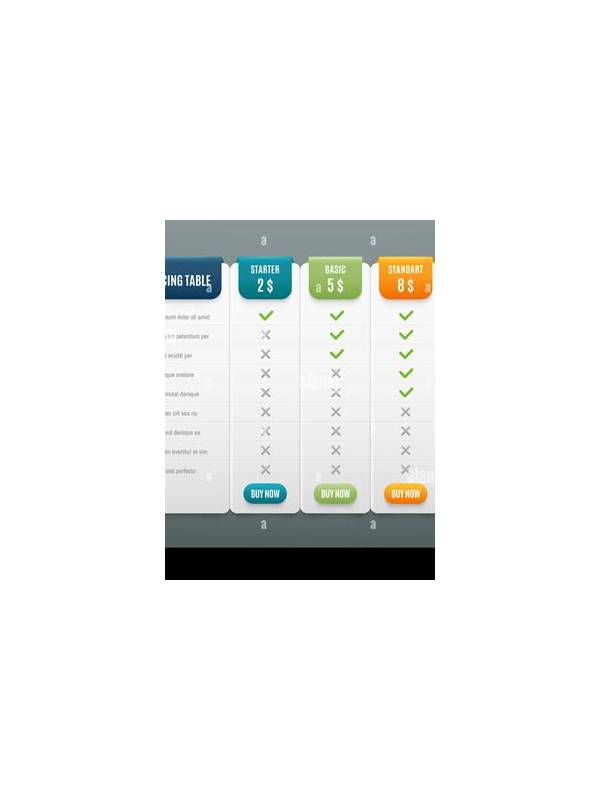
When two rummy plans look attractive, intuition can jump between them without explaining why. A simple cost table makes the comparison visible. It does not predict the result; it shows what each plan asks you to sacrifice.
Create four columns: missing arrivals, waiting cost, discard pressure, and fallback quality. Under missing arrivals, list the cards or ranks that would make the plan useful. Keep the list realistic and avoid counting the same shared card as if it served every route independently.
Waiting cost describes what happens while the plan develops. Are you carrying high-value cards? Are you missing chances to make a safer group? Does each unsuccessful turn leave fewer useful options? Use low, medium, or high rather than pretending to know an exact number.
Discard pressure describes the card you may have to release to support the plan. A route can have excellent arrivals and still be poor if every attempt forces you to throw away a confirmed group or an important flexible card. Record the practical consequence, not only the attractive outcome.
Fallback quality asks what remains if the next draw misses. A strong fallback may be another reasonable route already present in the hand. A weak fallback may be a vague hope that a new plan will appear later. A route with a modest primary benefit and a good fallback can be safer than a route with a spectacular primary benefit and no exit.
Once the table is filled, choose the plan that fits the stage of the hand. Early on, waiting cost and fallback quality may deserve more weight. Late in the hand, a route with fewer missing arrivals may matter more. If the rules require a particular structure, include that requirement before comparing appearance or speed.
Do not use the table to slow every turn. It is most helpful at a genuine crossroads or during practice. With repetition, you will begin to notice the same cost categories mentally. The written version remains valuable for reviewing why a plan looked better at the time.
The final question is simple: “What would make me switch?” Add the answer below the table. A comparison without a switch condition can become a justification for staying put. A comparison with a condition supports flexible, evidence-based play.
Keep the table private when you are playing with others. It is a planning aid for your own decisions, not a script that should be announced at the table. If you are practicing with a friend, discuss the categories afterward and compare how each person described the same cost. Differences in description can reveal useful blind spots.
Related Post
Rummy Comparison: Fast Melds Versus Hidden Flexibility
Compare the immediate security of showing a meld with the private value of keeping a [...]
Rummy Guide: Use a Small Sample Before Changing Strategy
Test a rummy adjustment across a small, consistent sample before deciding whether it genuinely improves [...]