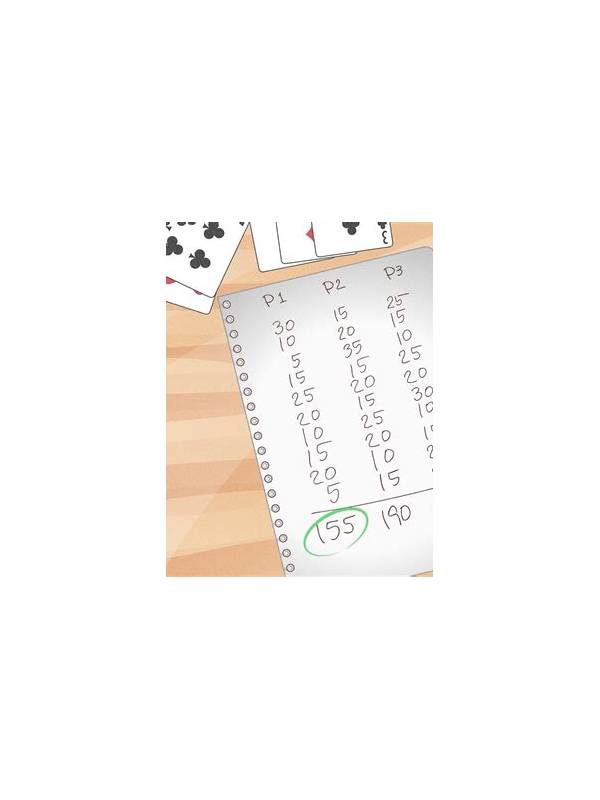
Rummy Practice Journal: What to Record After Each Session
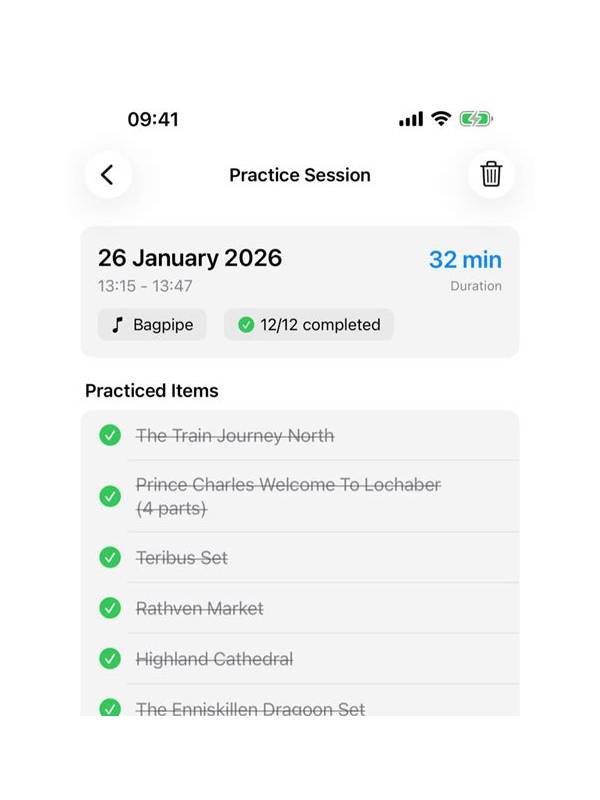
A practice journal does not need pages of statistics. Its purpose is to capture decisions while they are still easy to remember, then reveal patterns across several sessions. A few consistent notes are more useful than a detailed record kept only once.
Begin with the format and your goal. Record whether you played points, pool, deals, or a casual practice hand, and write one focus such as protecting a pure sequence or reducing high-card leftovers. This context matters because a decision that is sensible in one format may have a different cost in another.
After each hand, note three facts: the first useful structure you saw, the card you held too long, and the moment your plan changed. Do not describe every draw. Instead, identify the decision that best explains the result. For example, “I kept a high pair for a set while ignoring a suited middle run” is more actionable than “bad cards arrived.”
Add a confidence rating from one to five. A low rating may indicate a rules question, while a high rating followed by a poor outcome may expose overconfidence. Keep these separate. A good decision can lose, and a bad decision can win; the journal should evaluate the reasoning, not only the final score.
Once a week, review your notes for repeated words. Are you frequently waiting for one exact card? Do you discard useful connectors too early? Do you forget to check the declaration requirements? Choose only one pattern for the next practice block. Trying to correct everything at once makes progress difficult to measure.
Keep the journal private and simple. You can use paper, a basic note, or a spreadsheet, but do not record unnecessary personal or payment information. If you play for money, include a session limit and whether you stopped as planned. The best journal is one you will actually maintain. Over time, these short observations can make your decisions more deliberate and show exactly which part of your game deserves the next hour of practice. Reviewing a journal should feel like coaching, not punishment. Circle one decision that was clear and one that needs a better rule. This balance keeps practice sustainable. If the same issue appears across several formats, it is probably a general planning habit; if it appears once, it may simply have been an unusual deal. Over time, the journal should answer one practical question: what will you deliberately do differently in the next session?
Related Post
Rummy Comparison: Early Information Versus Late Information
Early and late observations serve different purposes in rummy, so each should influence decisions in [...]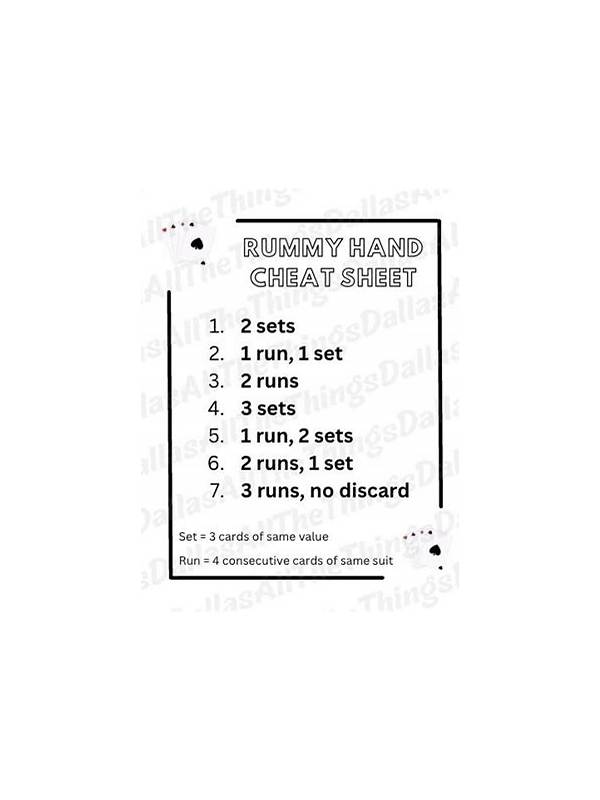
Rummy Guide: Read a Hand From the Outside In
Start with table conditions and rules before making a detailed plan for your cards. [...]