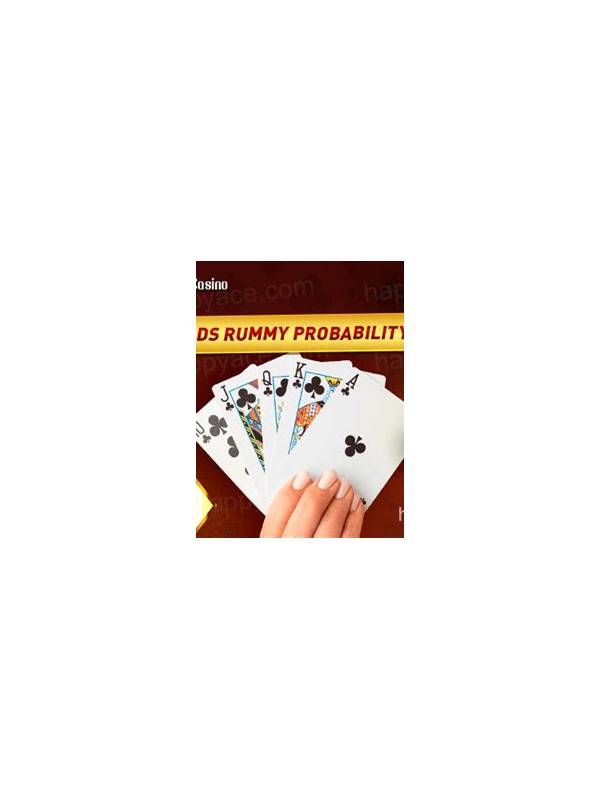
Rummy Suit Balance: A Simple Way to Judge Your Opening Hand
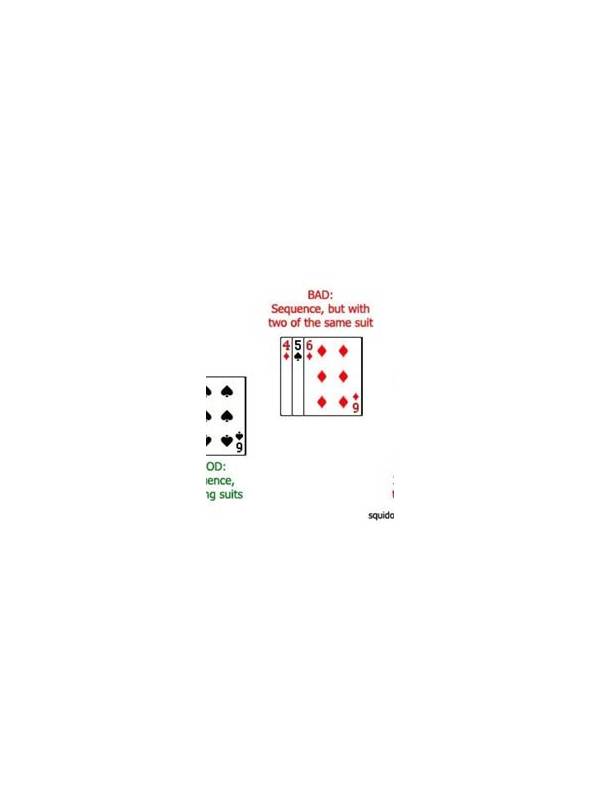
An opening rummy hand can look promising because it contains several connected ranks, yet suit balance may tell a different story. Looking at suits is not a replacement for grouping cards, but it is a useful second check. It helps you notice when one suit offers several possible sequences and when another suit is carrying isolated cards that may become expensive.
What suit balance means
Suit balance describes how your cards are spread across suits. A hand with five cards in one suit, four in another, and four scattered cards has a different planning profile from a hand with three cards in each suit. Neither pattern is automatically good or bad. The important question is whether the concentration creates real connections.
For example, three cards from one suit that sit close together can be a strong foundation. Five cards from that suit with ranks far apart may only create several discard decisions. Count suits after first placing obvious pure sequences and sets. This prevents a large but unhelpful suit group from receiving too much attention.
Use suit count as a warning signal
If one suit has many loose cards, examine them one at a time. Ask whether each card has a nearby rank, a possible joker role, or a realistic chance of joining a group. A high card with no neighbor may deserve early attention even if it belongs to your most common suit. Conversely, a middle card may remain useful because it can connect in more than one direction.
Do not discard solely because a suit is uncommon. A two-card fragment can be valuable when its ranks are adjacent. Suit count is a clue, not a verdict.
Recheck after every draw
The balance changes with each new card. Before discarding, compare the suit you are protecting with the number of actual groups it supports. This habit keeps you from holding cards merely because they match a visual pattern. Combine suit balance with connection distance, point exposure, and the requirements of the particular format. Treat it as a quick map of concentration, then let concrete combinations guide the final decision.
Further practice
A useful exercise is to deal several opening hands and describe each in one sentence. Say whether the hand is sequence-heavy, set-heavy, or mostly scattered, then check whether suit counts support that description. This builds a faster visual scan without turning suit distribution into a rule. Also remember that different formats can use different hand sizes and joker rules. A pattern that seems balanced in one game may behave differently in another. Keep notes about decisions rather than outcomes: record which suit pattern made a card easier or harder to place. Over time, these notes can help you recognize concentration early while preserving the flexibility to change plans. Let combinations, alternatives, and the rules of the table determine the actual discard.
Related Post
Rummy Tips: Protect the Cards That Preserve Options
Protecting option-preserving cards can make a hand easier to adapt when the next draw is [...]
Rummy Comparison: Planned Draws Versus Opportunistic Draws
Compare deliberate drawing plans with flexible reactions to choose cards more consistently. [...]