Rummy FAQ: Should You Always Chase a Pure Sequence First?
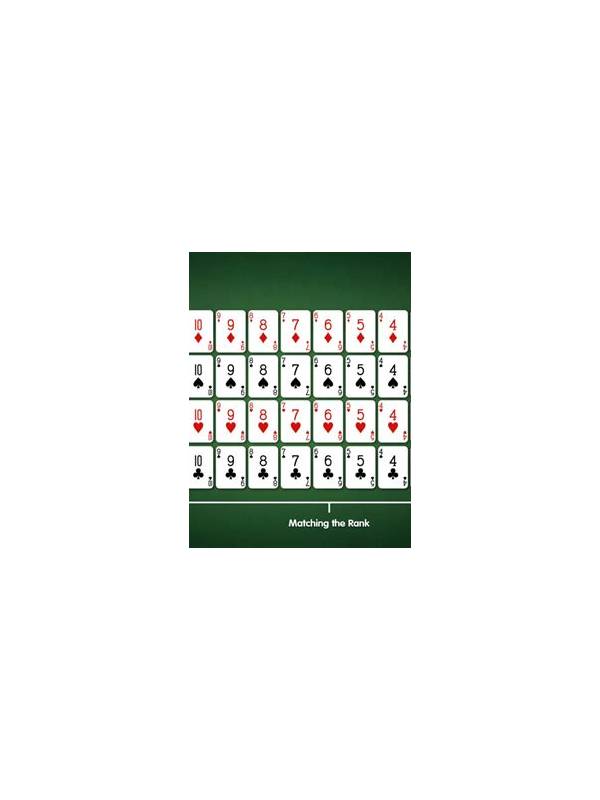
Many Indian rummy formats require at least one pure sequence, so beginners often hear that they should chase one immediately. The rule is important, but “chase” can be misleading. A player should build a realistic pure sequence while continuing to assess the rest of the hand and the cost of waiting.
Look first for cards that already form a sequence or are one practical step away. A connected group is a stronger starting point than a pair of distant cards that merely share a suit. If several pure-sequence ideas are available, compare their missing cards and whether choosing one damages another useful group.
Do not dismantle a sound pure sequence simply because a different plan looks more attractive. A completed required structure provides stability. It may allow you to use jokers or flexible cards elsewhere, subject to the table’s rules. Still, preserve it because it is strategically useful, not because every completed group must remain untouched in every situation.
If the opening hand has no clear pure-sequence route, avoid panic. Sort the cards, identify realistic connectors, and release the weakest loose card when appropriate. A forced plan can consume several turns and leave the rest of the hand disorganized. Reassess after each draw instead of repeating the same hope.
The discard pile can offer information, but a visible card is not automatically a safe solution. Taking it may reveal your interest, and the card may have a better use elsewhere in the hand. Compare the immediate improvement with what you disclose and what you give up.
Rules differ on sequence length, ace treatment, joker use, and declaration requirements. Read the specific format before applying general advice. A pure sequence that is valid in one variant may not satisfy another variant’s conditions.
Use a final checklist before declaring: identify the pure sequence, verify its suit and order, confirm the remaining groups, assign each joker, and count every card once. The requirement is a structural rule, not a promise that the first idea you notice is correct.
So, should you always chase a pure sequence first? You should give the requirement early attention, but pursue it through the most realistic plan available. Calm reassessment is stronger than automatic pursuit.
The best checklist therefore protects both compliance and flexibility. It confirms the required structure while leaving room to abandon a weak route, choose a safer discard, or wait for clearer information instead of forcing a declaration.
Related Post

Rummy Safety: Check App Permissions Before Downloading
Review app permissions and download sources to reduce avoidable mobile security risks. [...]
Rummy Safety: Use a Private Review Space
A private review space helps players learn while reducing accidental exposure of account and gameplay [...]