Rummy Safety: Keep Practice and Paid Play Separate
Free practice and paid play can teach different lessons. Practice is useful for learning rules, arranging cards, and testing review methods. Paid play adds financial risk and should never be treated as the next required step in learning. Keeping the two activities separate supports safer decisions.
Use practice to answer questions first. Confirm how sequences, sets, jokers, declarations, timers, and scoring work. If the explanation is unclear, do not use money as a way to find out. Choose an official rules source or ask verified support for clarification.
Set a learning objective for practice, such as tracking discards or comparing two routes. Review whether you met that objective rather than whether every hand won. This builds skill without attaching every mistake to a financial consequence.
If you later choose legal paid play, create a separate entertainment budget and time limit before entering. Never transfer money because practice results created confidence. Confidence can be useful, but it does not remove uncertainty or guarantee outcomes.
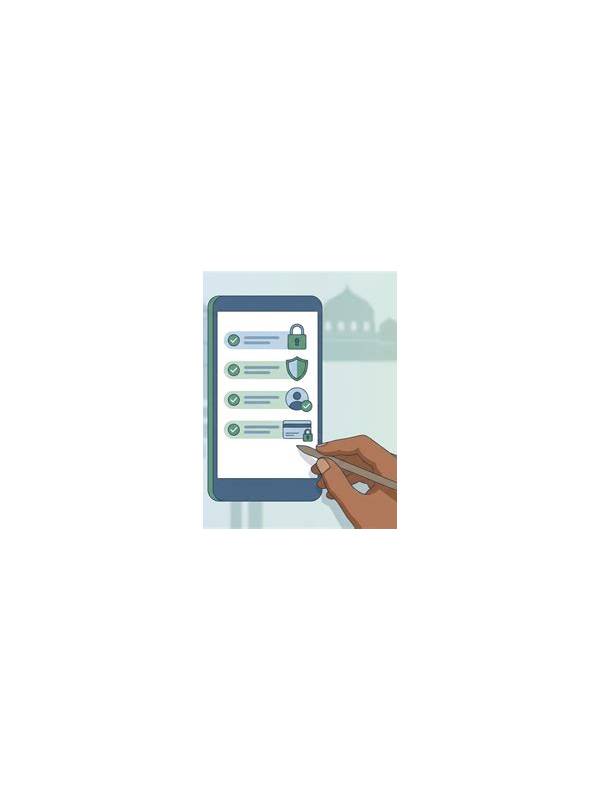
Keep account and payment information secure. Avoid shared devices, protect credentials, and be cautious with promotions whose terms are hard to locate. Do not share one-time codes or send funds outside the platform’s normal process.
If a paid session becomes frustrating, return to free practice only after stopping and cooling off. Do not use another paid hand to recover a result. Learning and spending are separate choices, and treating them that way makes both easier to evaluate. Keep practice records free of passwords, payment identifiers, and private screenshots. If paid play is not suitable, free play is a complete choice. Keep practice records free of passwords, payment identifiers, and private screenshots. If paid play is not suitable, free play is a complete choice. Organization, rule knowledge, and review can all improve without financial exposure. A practice objective can be measured by better organization, clearer reviews, or stronger rule knowledge. None requires a deposit. Keep the decision to spend separate from the desire to prove that you have improved, and stop immediately if the activity stops feeling controlled. If you use a practice log, record only cards and decisions. Never include passwords, one-time codes, payment identifiers, or private identity documents. Free practice can provide a complete learning environment, and choosing it is a responsible decision when spending would add pressure. If a session stops being recreational, stop first and review later. No result needs to be recovered by spending more.
Related Post
Rummy Privacy Safety: Limit What Notifications Reveal
Small notification settings can reduce the chance that account activity and personal details appear on [...]
Rummy Guide: Build a Contingency for the Missing Card
A simple backup route prevents one missing card from controlling an entire rummy hand. [...]