Rummy Guide: Use a Commitment Point to Simplify Discards
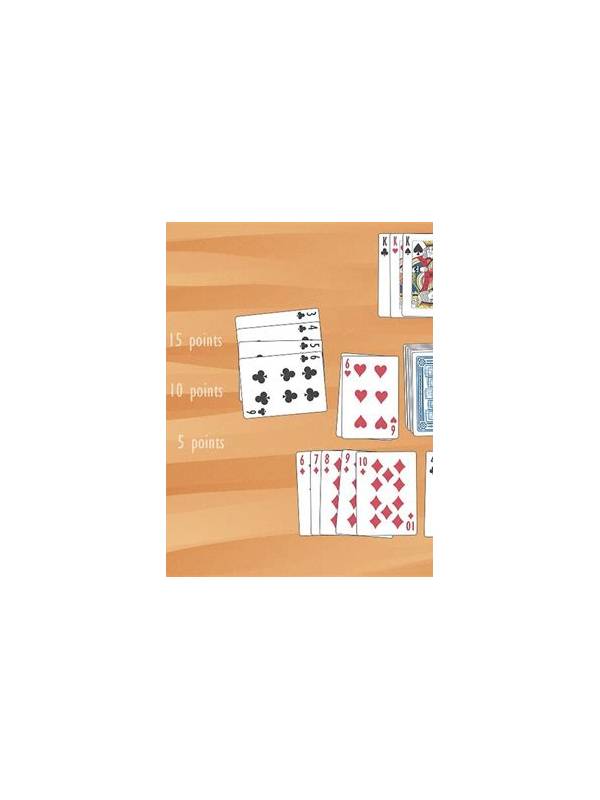
Many difficult rummy decisions come from trying to preserve every possible group. That approach keeps options alive but leaves no clear discard. A commitment point is a planned stage at which you select the most credible route and release weaker alternatives.
Begin with a broad scan. Separate complete melds, useful connections, exact-draw pairs, and unrelated cards. Do not commit immediately; early information may change the value of each group. Instead, decide what evidence will make one route stronger: a connector arriving, a required sequence becoming legal, or a competing group losing several outs.
When the evidence appears, choose the route that solves the largest requirement with the fewest unresolved tasks. Move its cards together and identify the discard candidates created by that choice. A commitment does not mean you will never change plans. It means the burden of proof shifts: a new route must offer a clear improvement before you abandon the current one.
Set a second trigger for abandoning the commitment. For example, if two turns pass without improvement or a key card becomes unlikely, reopen the scan. This protects you from both indecision and stubbornness. Keep the trigger concrete and write it down if the hand is complex.
The method is especially useful near the end, when a hand can contain several nearly complete ideas. Choose the structure that best matches the rules and your remaining draws, then discard with purpose. A commitment point reduces clutter in your reasoning while preserving the ability to respond to meaningful new information.
This approach also improves post-game review. Ask whether the evidence justified commitment, whether the trigger was specific enough, and whether the exit cost was estimated fairly. If your answer is unclear, refine the trigger for the next practice session. A good commitment point is not a promise that the hand will work; it is a promise to decide deliberately.
The same idea applies to discards. Once you commit to a route, do not repeatedly reconsider every card you have already rejected. Reopen the decision only when new evidence meets your trigger. This keeps attention on current information and prevents an old possibility from consuming every turn.
Use a small symbol for the commitment point in practice notes, such as a star beside the chosen route. Later, compare the star with the draw that caused it. You will learn whether you are committing in response to useful evidence or simply because you are tired of comparing possibilities.
Related Post
Rummy FAQ: What If Two Cards Share a Rank?
Duplicate ranks are not automatically useful or useless; their value depends on group routes and [...]
How to Choose a Rummy Practice Hand Theme
Use a single training theme to make practice sessions focused, repeatable, and easier to review. [...]