Rummy Hand Geometry: See Shape Before You Count Points
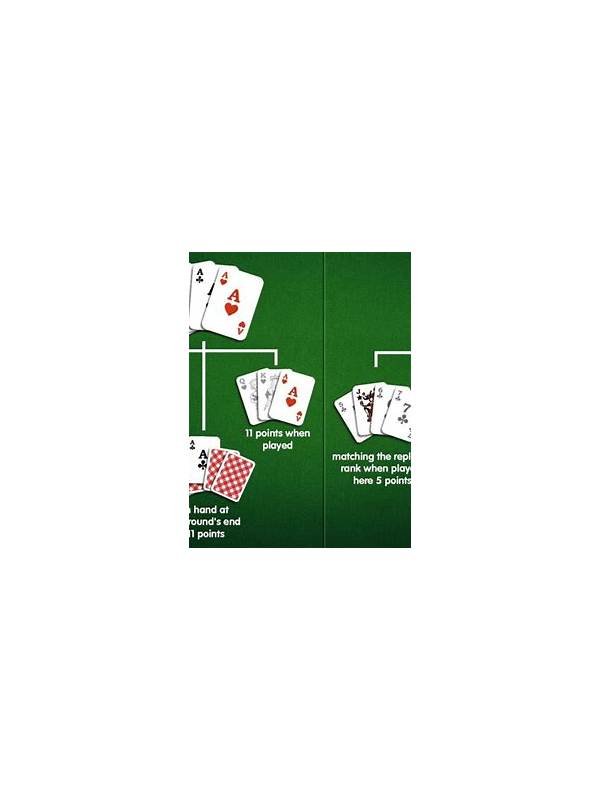
Keep the picture practical rather than decorative. A compact cluster is useful only when the rules recognize it and the needed cards remain plausible. Marking shape changes after each turn gives you a factual record for later review.
Rummy players often begin by adding card values, but points are only one part of a hand. Before deciding what to draw or discard, look at the geometry of the cards: where they sit in suits, how many gaps separate them, and whether several cards are competing for the same space. This visual check gives you a clearer starting position.
Start by sorting cards by suit and rank. Do not arrange them into your preferred melds immediately. Instead, notice clusters of neighboring ranks, isolated high cards, and duplicate ranks in different suits. A hand with two adjacent cards in three suits has a different shape from one with a single five-card run and several unrelated cards, even if their point totals are similar.
Next, mark the gaps. A pair such as 6 and 8 has one missing rank between it, while 6 and 9 has two. The first pair may become useful quickly, but only if the suit remains relevant and the missing card is realistically available. A gap is not automatically bad; it is a request for information. Ask whether another group can develop while you wait.
Then identify crowded lanes. If four cards all need the same rank to become useful, your hand may look active while actually depending on one bottleneck. Give those cards a temporary label such as “shared dependency.” This prevents you from counting the same missing card as support for several plans at once.
Finally, compare the shape with your time and table conditions. Early in a hand, a broad shape with multiple connections can be worth preserving. Later, a compact shape with fewer alternatives may be preferable because it is easier to verify. The best arrangement is not always the prettiest one; it is the one that leaves a realistic path to legal groups.
Use hand geometry as a short scan, not a permanent theory. Spend a few seconds after each draw checking whether the shape improved, stayed stable, or became more dependent. Over time, this habit helps you distinguish genuine progress from a hand that merely contains many cards with potential. It also makes post-game review more precise: you can ask which shape changed and why.
Related Post
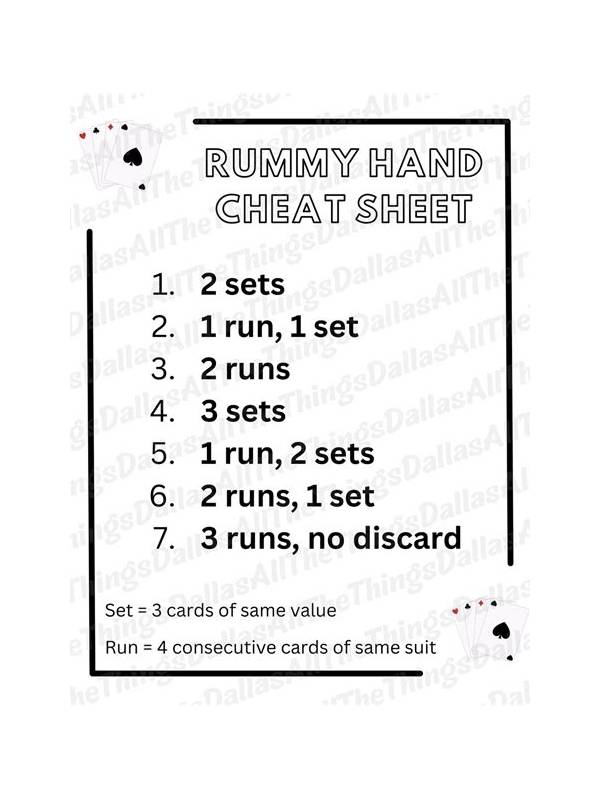
How to Compare Rummy Hands Using Expected Improvement
A simple expected-improvement review compares how much each hand plan could improve and what it [...]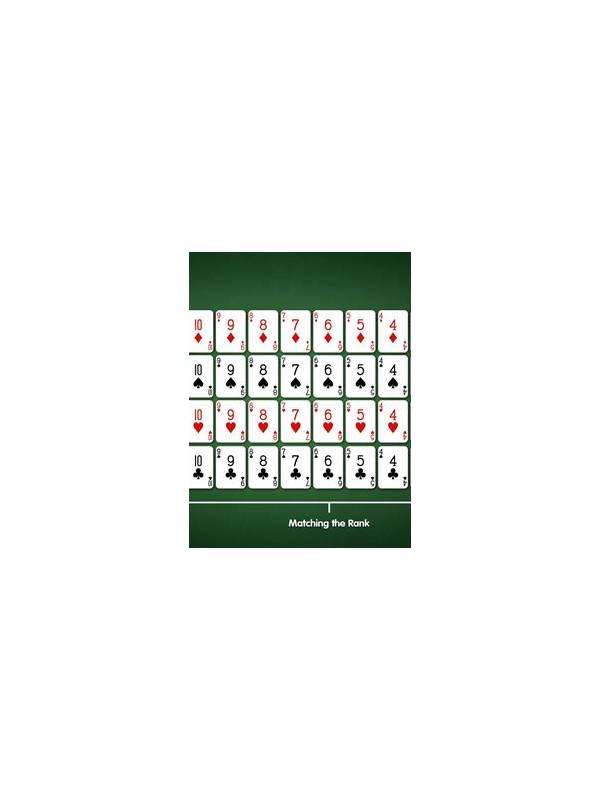
Rummy How-To: Establish a Clear Hand State After Every Draw
A repeatable hand-state routine keeps each draw from creating confusion about groups, gaps, and discard [...]