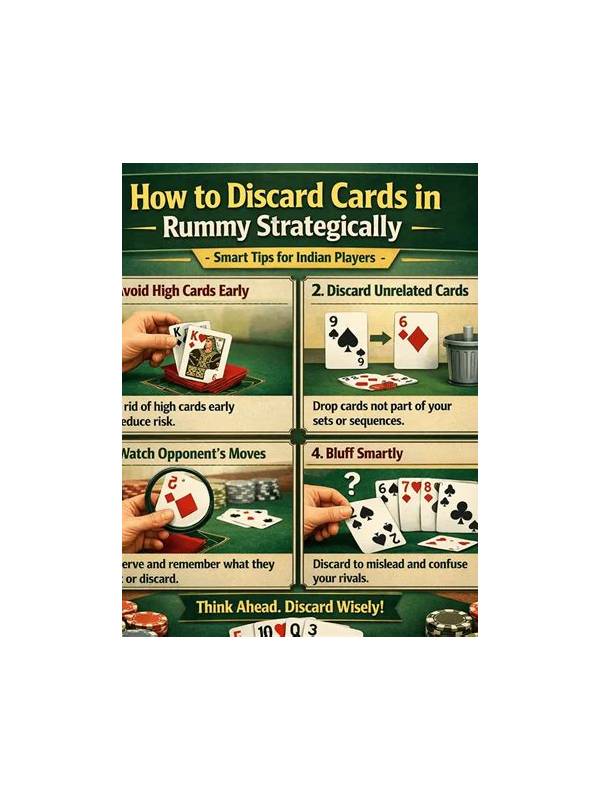
Rummy Safety: Use a Clean Boundary for Practice Notes
Practice notes should help you understand decisions, not become a storage place for sensitive information. A useful safety boundary is to record card patterns, timing, and reasoning while leaving out passwords, payment details, identity numbers, and private messages.
Before saving a note, check whether it contains anything that could identify an account or another person. Usernames, screenshots with balances, transaction references, and support conversations may be unnecessary for a strategy review. Replace them with neutral labels such as “opponent A” or “late discard.” The goal is to preserve the decision, not the personal context.
Keep notes in a location with appropriate access controls. If a device is shared, use a private profile or a protected notebook and close it when you finish. Do not paste account credentials into a document to make login easier. Convenience can turn a simple review file into a security risk.
Screenshots need extra care. Crop away notifications, email addresses, wallet information, and unrelated conversations before keeping an image. A written description is often safer and more useful than a complete screen capture. If you send a practice example to someone, remove details that are not needed for the question.
Set a retention rule. Old notes that no longer teach you anything can be deleted or summarized into general lessons. Keeping every record forever increases exposure without improving your game. Review the folder periodically and remove duplicates or accidental sensitive material.
A clean boundary does not reduce the quality of analysis. “I kept a high card without a confirmed route for four turns” is enough to study a mistake. Good notes are specific about decisions and deliberately vague about private data. If a note must be shared for coaching, create a sanitized copy rather than editing an original file that contains private material. Check links, filenames, image metadata, and document history as well as the visible text. A strategy example should remain useful after those details are removed. This habit protects both the player making the notes and anyone whose information appears nearby. Do not assume that a private folder is automatically safe if the device has multiple users or automatic synchronization. Check where practice files are copied and whether shared backups include images. Remove sensitive material before synchronization when possible. Security is part of a sustainable hobby: a useful review system should not create a new problem outside the table. Use descriptive but non-identifying filenames for sanitized examples, and check that a shared link does not grant more access than intended.
Related Post
Rummy How-To: Recover When the Draw Pile Feels Unhelpful
A recovery routine can help you reset a hand after several draws fail to improve [...]
Rummy Guide: Use a Three-Question Opening Scan
A short opening scan can reveal which cards deserve attention before the first discard. [...]