Rummy Safety: Set a Deposit and Session Boundary
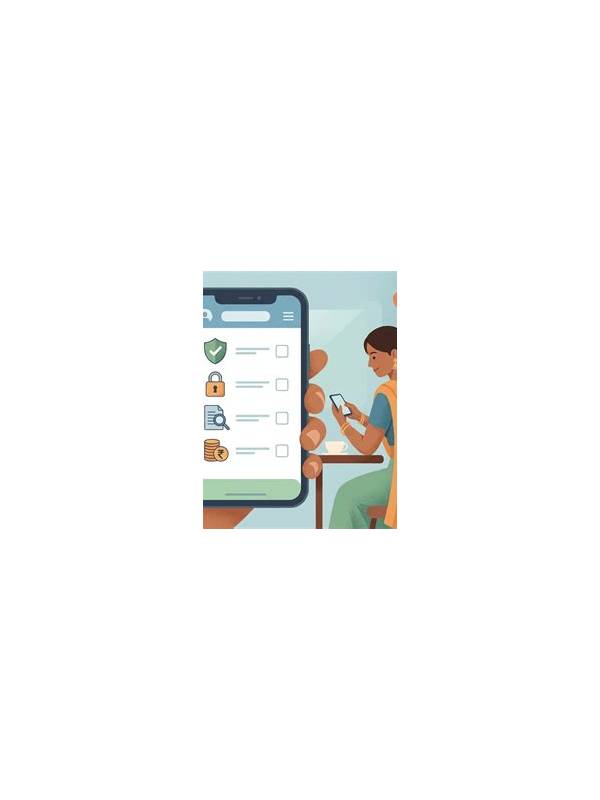
Before joining any online rummy activity that involves money, define two separate boundaries: how much you are willing to spend and how long you will play. Combining them into one vague intention makes it easier to continue after a loss or remain online when tired.
The spending boundary should be money you can afford to lose without affecting necessities. Do not use rent, bill, loan, or emergency funds. If a platform offers wallets, bonuses, or multiple table levels, check which balance is actually at risk and read the relevant terms before adding funds. A displayed bonus is not the same as withdrawable cash.
The session boundary should include a start time, an end time, and a stopping rule. A stopping rule might be reaching the planned loss limit, feeling distracted, or noticing that you are making rushed decisions. A win is not a reason to extend automatically. If you choose to stop after a profitable session, record the result and leave the activity.
Use practical barriers where available. Disable one-click deposits, avoid saving payment details on shared devices, and keep notifications from encouraging impulsive returns. Never share passwords, one-time codes, or identity documents through informal messages. Confirm that the app and support channel are genuine before submitting personal information.
Boundaries work best when written before emotion rises. A short note can state the maximum amount, the closing time, and the conditions that end the session. If you cannot follow the boundary, take a break and seek support from someone you trust or an appropriate local service. Do not try to recover losses by increasing stakes.
Responsible play is not a strategy for guaranteeing profit. It is a way to keep a recreational activity within limits that protect ordinary life. Rules, age requirements, and legality differ by location, so check local requirements independently. If a service makes boundaries difficult to set or withdrawals unclear, pause and investigate before proceeding.
Tell a trusted person about the boundary if accountability would help. If playing begins to affect sleep, work, relationships, or necessary spending, stop and seek qualified support rather than raising the limits. A limited-time promotion does not change your budget. Close it, take the planned break, and return only if the activity still fits your original conditions.
Recheck the boundary before starting a new day. A budget that was comfortable last week may not fit today’s obligations. Keep the decision separate from recent results: winning does not create permission to exceed the limit, and losing does not create a debt that must be recovered. The boundary is successful when it protects your choices regardless of the outcome.
Related Post
Rummy Safety: Recognize When Advice Is Really a Promise
Learn to distinguish educational rummy guidance from claims that imply guaranteed winnings or outcomes. [...]
Rummy FAQ: How Should You Handle a Rule Dispute?
A repeatable dispute process can settle rummy rule questions without turning one hand into a [...]