Rummy How-To: Mark Cards by Their Current Job
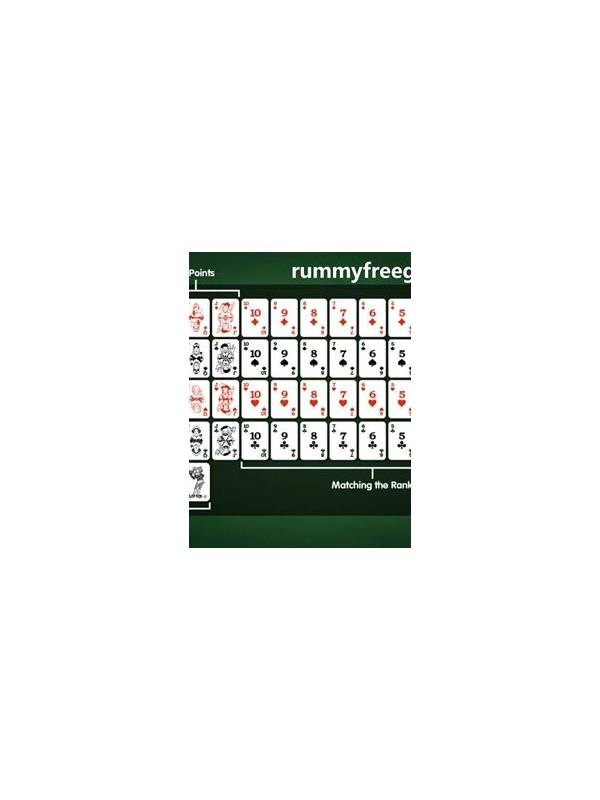
Card sorting is useful, but sorting alone does not explain why a card remains in your hand. A practical next step is to assign every card a temporary job. Jobs should describe the card’s current role, not its imagined future. Useful labels include completed group, sequence anchor, connector, pair candidate, defensive hold, and release candidate. These labels can change after every draw.
Begin with completed groups. Mark cards that already belong to a legal sequence or set, while checking the exact variant rules first. Next mark anchors: cards that connect to more than one nearby possibility or that keep a strong route open. A connector may be valuable even when it is not part of a completed group. Then identify pair candidates and note the exact card that would improve them. Finally, mark release candidates, which are cards with no current group and little useful connectivity.
Avoid giving one card two jobs unless you deliberately want to track a conflict. If a six of clubs could either extend a club sequence or complete a set, write both possibilities and circle the one you are currently prioritizing. This makes trade-offs visible. Without a label, players often protect a card simply because it has once looked promising.
After each draw, relabel before discarding. A newly drawn card may take over a job that another card was performing. For example, a new connector can make an isolated high card the clearest release candidate. A completed set can also free a card from defensive duty. Relabeling keeps the hand’s story current instead of preserving an outdated first impression.
The method works on a physical table with small notes, or mentally in an app. Keep labels private and brief. The goal is faster decisions, not elaborate bookkeeping. After the hand, ask whether your labels predicted the cards you actually used. If a “connector” never had a realistic target, your definition was too generous. If a “release candidate” repeatedly saved a route, your scan needs more attention. Card jobs are temporary hypotheses, and updating them is the skill. Use neutral marks if writing on paper: a check for completed, a line for connector, a question mark for a pair candidate, and a dot for release. The symbols should be quick enough to change. If marking takes longer than the decision, simplify the system. In a digital app, do not paste private card information into an untrusted note service just to preserve labels. A private paper record or a trusted built-in tool is enough. The value comes from noticing role changes, not from keeping a perfect archive of every hand.
Related Post

Rummy How-To: Prepare a Quick Endgame Checklist
A short endgame checklist helps players focus on legality, card coverage, and execution when a [...]
Rummy Tips: Test a Candidate Meld by Removing It
Temporarily taking a proposed group out of the hand can reveal hidden dependencies before you [...]