Rummy How-To: Test Whether a Card Is Truly a Connector
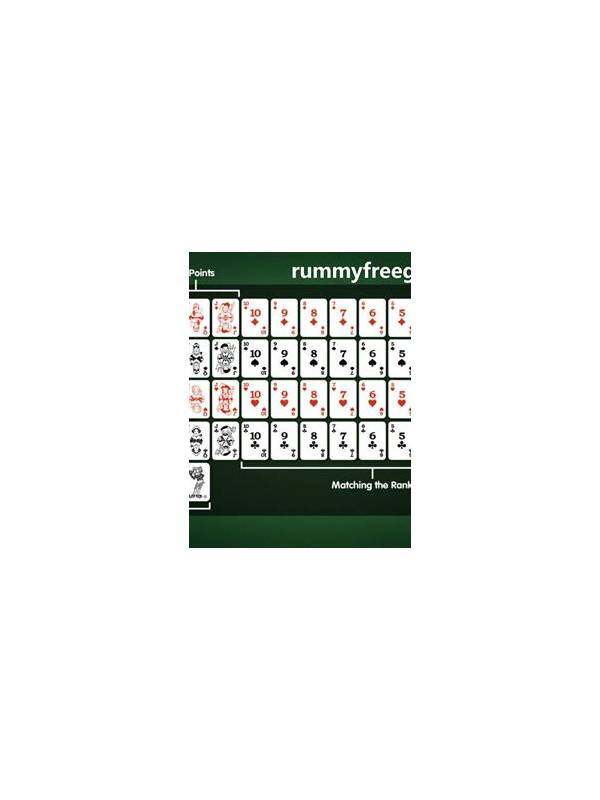
A connector card appears to link two parts of a hand, but not every apparent link is useful. A card can sit between ranks and still require too many other cards before it becomes part of a legal group. Testing connectors helps you avoid protecting a card because it looks central on a sorted screen.
Ask the first question: does the card connect to an existing card immediately? A seven of spades beside a six or eight of spades has a clear relationship. If the card is separated from every matching suit and rank, its connector status is only theoretical. Immediate connection does not make it essential, but it gives the card a credible starting job.
Ask the second question: how many legal completions are available? A middle card may extend in two directions, while an edge card may extend in only one. A card that can also join a set has another route. Count only combinations that fit the rules and the cards already in your hand. Do not count every card that exists in the deck as an equally likely completion.
Ask the third question: what does keeping it cost? If the connector is forcing you to carry two high-value singletons, its benefit may be outweighed by its cost. If it preserves two independent routes and can be released later without breaking either one, it is more valuable. Compare its role with the best alternative for the space it occupies.
Use the test again after a discard. A connector can change jobs when a neighboring card leaves the hand or when a new route appears. Mark it as active, uncertain, or inactive rather than treating the label as permanent. An uncertain connector deserves a review point; an inactive one should compete with other discard candidates.
Before declaring, stop using visual language such as “bridge” and check the actual groups. Every sequence needs the correct suit and order, and every set needs the correct matching rank under the table’s rules. A connector is useful only when it contributes to a legal arrangement. The three questions—immediate connection, legal completions, and keeping cost—make that contribution easier to judge.
When two connectors score similarly, prefer the one that leaves more room for a clean discard later. A card that can be released without dismantling a group is easier to manage than one that becomes a permanent commitment. This final check links local card value to the shape of the whole hand.
Related Post
Rummy FAQ: How Should You Compare Two Rule Sources?
When two descriptions of a rummy variant differ, a careful comparison can prevent avoidable mistakes. [...]
Rummy Guide: Plan Around a Missing Middle Card
A missing middle card can support several routes, but it needs a deadline and an [...]