Rummy Tips: Read a New Card Before Rearranging the Hand
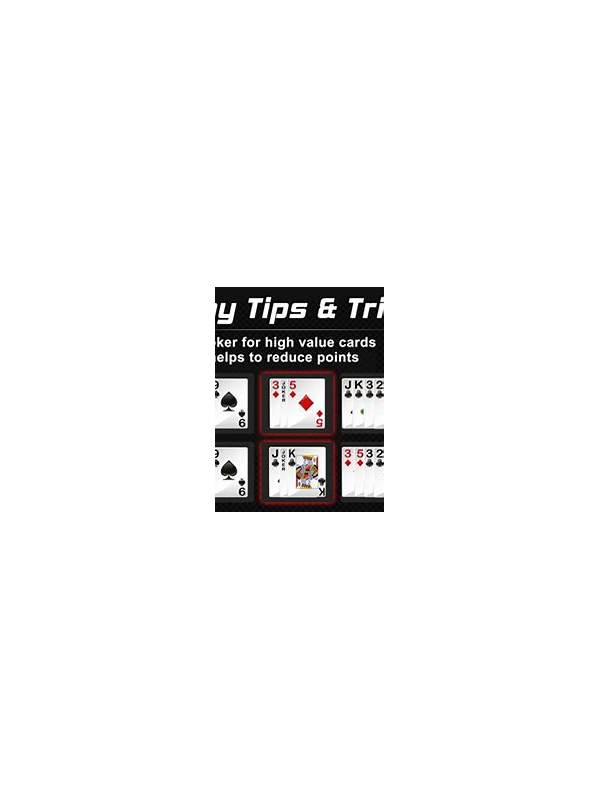
Rearranging cards immediately after a draw can make a weak card look important simply because it fits beside something. A better habit is to inspect the new card before moving anything else. This preserves the information about what changed and keeps the first impression from becoming an untested plan.
When the card arrives, name its basic facts: rank, suit, point cost under the applicable scoring system, and possible neighbors. Then ask whether it creates a group, improves an existing group, or only suggests a future connection. These categories are deliberately plain. They stop a card from receiving too much credit for being visually convenient.
Next, compare the card with the hand in its old arrangement. If the new card improves a two-card sequence, note exactly which card it may replace. If it completes a set, check whether using the set would consume a card that was supporting a stronger sequence. If it is a joker or wild card, examine both its immediate use and the natural structure it could preserve. The important question is not “Where can I put it?” but “What does it allow me to release?”
Only after this inspection should you sort the hand. Use a temporary marker, a space, or a quick mental label for the new card. Then create two candidate layouts: one that uses the card immediately and one that leaves it loose. Count unfinished groups in both layouts. The better layout usually has fewer difficult requirements, not merely more cards sitting in attractive rows.
The discard decision should follow a replacement test. For each candidate discard, ask what kind of draw could make you regret releasing it. A card that blocks several routes may deserve protection even if it has a high point value. A high card with no credible neighbor may be a practical discard, provided you have checked what opponents may learn from it and what your table rules permit.
This routine is especially useful online, where animated movement can encourage automatic sorting. Pause for a few seconds before accepting the layout suggested by the interface. Keep a neutral note such as “new card opens one route” instead of “new card saves the hand.” Neutral language makes it easier to change plans later.
With practice, the inspection takes only a moment. You will still rearrange the hand, but the arrangement will reflect a considered comparison rather than the first pattern the eye noticed.
Related Post
Rummy Turn Timers: A Calm Method for Making Decisions
A repeatable timer routine helps online rummy players think clearly without rushing or stalling. [...]
Rummy How-To: Pause Before an All-or-Nothing Draw
A short pause routine can prevent rushed draws from locking you into weak rummy plans. [...]