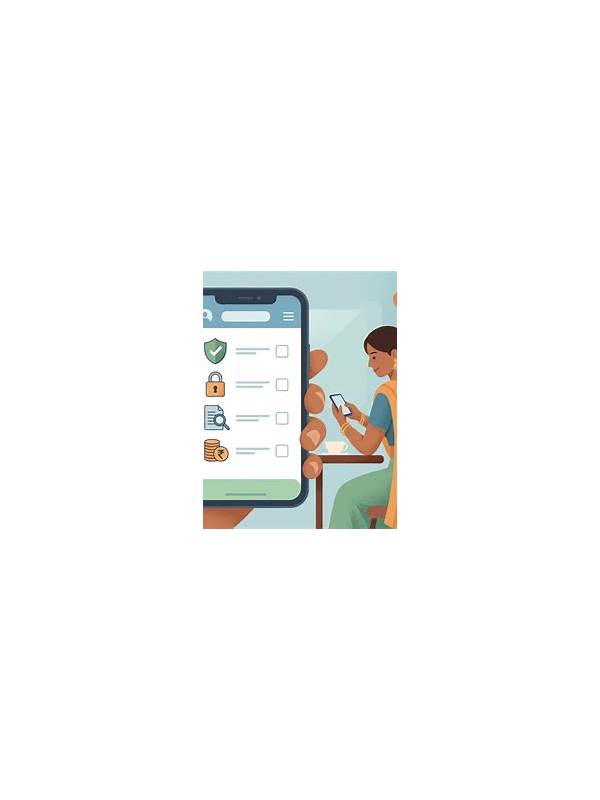
Rummy Safety: Protect Your Attention From Multitasking
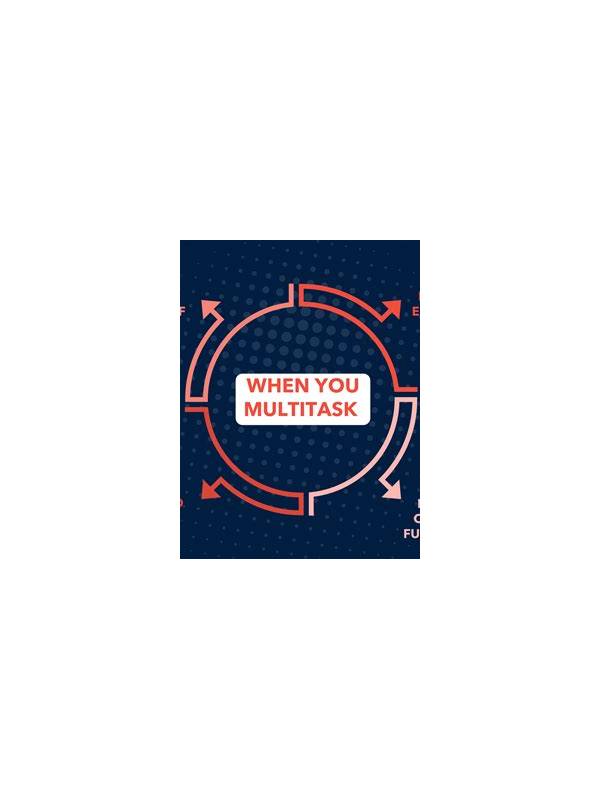
Multitasking can make a rummy session feel efficient, but it often creates avoidable problems. A player may miss a timer, reveal a private notification, misread a card, or make a payment decision while distracted. An attention check before play is a simple safety habit for both casual and competitive sessions.
Start with the physical environment. Put the phone or computer where the screen is not visible to passers-by, and use headphones only if they do not prevent you from noticing important alerts. Keep food, drinks, and charging cables away from the device. A stable position reduces the chance of accidental taps and makes longer sessions more comfortable.
Then reduce digital interruptions. Silence unrelated notifications, close private conversations, and avoid switching between a game and financial apps. Notifications can expose account details on a lock screen or pull attention away at the exact moment a decision is required. If a notification must remain enabled, review its preview settings.
Set a practical boundary around the session. Decide how long you will play and what you will do if an urgent task appears. If you need to answer a call, pause or leave according to the table rules rather than trying to continue while looking away. A short interruption is easier to handle when it has been anticipated.
Multitasking also affects judgment. When attention is divided, players tend to rely on familiar habits, chase a visible card, or accept an unclear instruction without checking it. If you notice yourself rereading the same information, missing turns, or feeling rushed, take a break. Do not use a distracted moment to confirm a withdrawal, change an account setting, or follow an unexpected support request.
Before returning, verify the table, the current hand, and the action available. Never assume a screen remained unchanged while you were away. Attention protection is not about creating a silent, perfect room. It is about removing predictable distractions and giving important actions the attention they deserve. Attention protection also supports fairer self-review. If a mistake happened while answering messages, watching another video, or managing several tasks, record that context instead of labeling the decision as a permanent skill problem. The remedy may be environmental rather than strategic. A quieter session, a shorter table, or a scheduled break can improve performance without adding complicated rules. Good safety habits protect the person playing as well as the account being used. If you play in a public place, check reflections and nearby screens as well as direct sightlines. Privacy includes what another person can read over your shoulder, not only what appears in a notification.
Related Post
Rummy Live Online Card Game Real Cash Tables
Welcome to Rummy Live Online Card Game Real Cash Tables. Explore our latest guides and [...]
Rummy FAQ: Why Do Two Similar Hands Need Different Moves?
Small changes in public information, score, or remaining turns can make different decisions correct for [...]