Rummy Guide: Plan Around the Hand You Actually Have
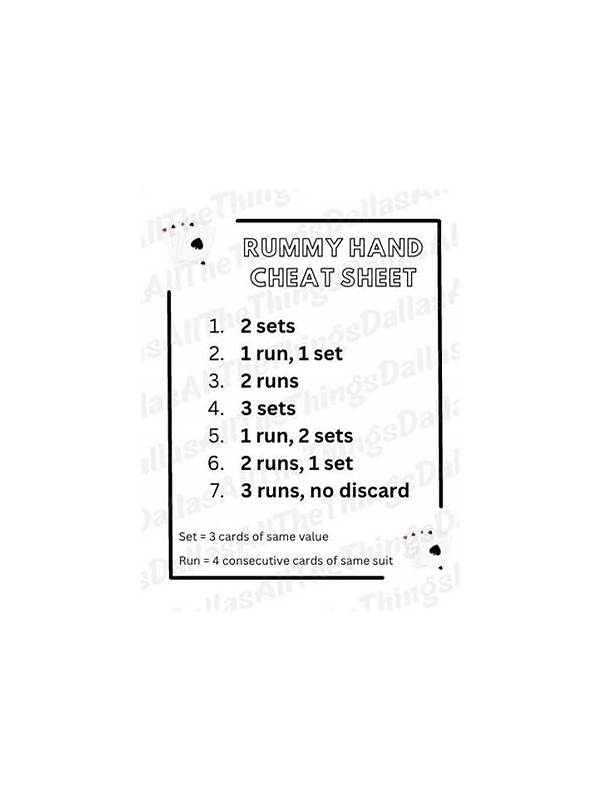
Players often imagine the hand they want instead of evaluating the one they hold. Planning around reality means starting with existing support and identifying the smallest useful improvement.
Sort the cards and name the strongest structure without embellishment. Perhaps you have a pair, a short same-suit run, and three unrelated cards. That description is more useful than saying the hand is “almost complete.” Next, identify the gap in each possible route. A plan that needs one card is materially different from a plan that needs three specific cards.
Choose a primary objective for the next turn: complete a supported group, reduce an expensive loose card, or gather information from the open pile. One objective keeps the discard decision coherent. It does not prevent you from changing course when the draw provides a clear improvement.
Avoid adding imaginary cards to the plan. If a sequence needs a seven and a nine, do not treat it as promising merely because the eight would be useful. Mark the route as speculative and compare it with the group that already has two matching cards. This small discipline prevents attractive gaps from taking over.
Set a reassessment point. If the next draw does not improve the primary route, review whether the backup now has better support. Also consider the table pace and the cost of keeping unresolved cards. The right plan is not always the most ambitious one; it is the one that remains practical under current evidence.
Planning around your actual hand makes both winning and losing more informative. You can see which decision created progress and which assumption failed. That is more valuable than a story built only after the final cards are known.
A practical plan can be written as a short sentence: “Protect this sequence, test this pair, release the isolated card if neither improves.” The sentence gives the turn a priority order. Revise it when the hand changes, and avoid adding a new priority merely because a card looks interesting.
When practicing, compare the sentence with the action you eventually took. If they differ, identify whether new evidence justified the change. This makes flexibility deliberate rather than accidental.
The sentence can be revised after a draw, but not merely because you feel bored with it. Change it when a card, rule, or visible table event provides a reason. That keeps planning tied to evidence.
This simple discipline also makes later reviews easier.
Related Post
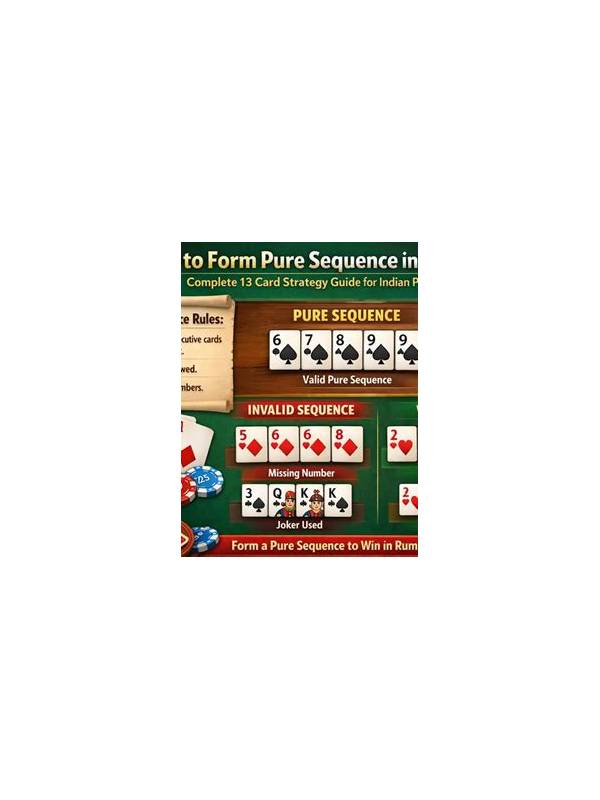
Rummy Guide: Review a Hand From the Declaration Backward
Working backward from a valid declaration exposes missing requirements before the next turn. [...]
Rummy Safety: Inspect Login Alerts After a New Sign-In
Check an app's permissions and device behavior before using it for online card play. [...]