Rummy End-of-Day Review: Close the Loop in Five Minutes

A rummy session can stay in your thoughts long after the last hand, especially if a decision felt unlucky or confusing. A five-minute closing routine gives the session a clear ending and captures only the information worth carrying forward.
Record the session facts
Write down the format, approximate length, and whether you played for practice or with a financial stake. Note your energy and attention level. These facts provide context for later review and prevent you from treating every result as a pure measure of skill.
Select one decision
Choose the most educational moment, not necessarily the most dramatic result. It might be a missed pure sequence, a rushed discard, or a good fold that preserved options. Describe the cards and visible information briefly, then state what you were trying to achieve.
Separate outcome from process
Ask whether the decision followed your intended checklist. If it did, a poor result may be ordinary variance. If it did not, identify the exact skipped step. This distinction avoids false confidence after a lucky win and unnecessary discouragement after a careful loss.
Set one next-session intention
End with a small action: scan suits before choosing a discard, pause before a declaration, or leave the table when attention drops. Do not create a long list of corrections. Close the record and step away. A short review protects learning while preventing endless replay, making the next session clearer, safer, and more deliberate.
Further practice
Keep the review factual and short enough to complete every time. If you notice frustration, record it without judging yourself, then decide whether a break or a lower-pressure practice mode is appropriate. Never use a review to justify extending a session beyond the time or spending limit you set beforehand. A useful record might contain one hand, one skipped check, and one intention for next time. After writing it, close the app or leave the table as planned. Ending consistently teaches your attention that play has a clear boundary, which makes future sessions easier to approach with balance.
If a future review raises a serious account or payment concern, stop using the relevant feature and consult official support. Learning is valuable, but it should never override a sensible personal boundary.
The closing routine is complete when the note is made and the planned boundary is honored.
That boundary is part of responsible play and helps preserve the value of the review.
Related Post
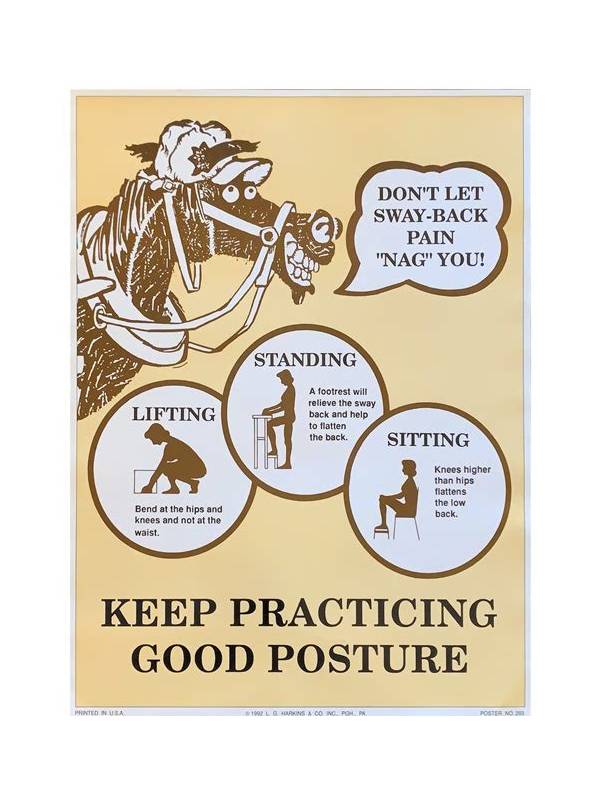
Rummy Safety: Keep Your Playing Posture Sustainable
Comfortable posture and planned visual breaks help keep a rummy session from becoming a physical [...]
Rummy FAQ: Can You Improve by Watching Without Playing?
Watching rummy can build observation skills when you use an active note method instead of [...]