Rummy Tips: Use Neutral Language During a Bad Run
A run of losses can make ordinary events sound personal. Players may say that the deck is against them or that they must win the next hand. Such language feels expressive, but it can push decisions toward chasing and risk. Neutral wording creates a small pause between the result and the next choice.
Describe what happened in observable terms. Instead of “the game is rigged,” note “I missed two waiting cards and kept a high ungrouped card.” Instead of “I have to recover,” say “I am down by this amount and can stop here.” The second version does not make the result pleasant, but it keeps the next decision connected to facts.
Use the same approach for a lucky run. Replace “I cannot lose today” with “the last hands went well, and the next deal is still uncertain.” This protects against increasing stakes because a short sequence feels like a guarantee. Random outcomes can cluster without creating a reliable forecast.
Pair language with an action rule. If you notice urgency, take a ten-minute break, close the table, or switch to practice mode. If you feel calm, review one discard before starting another hand. Make the rule in advance so you do not need to negotiate with yourself while frustrated.
Neutral language is not forced positivity. It is a tool for accurate attention. You can acknowledge disappointment and still choose not to chase it. Record the result, the decision, and your stopping point. Over time, these notes reveal whether a bad run changed your behavior more than it changed your cards.
Card games should remain entertainment, not a way to solve financial pressure. Use limits you can afford to lose, follow local requirements, and seek support if play begins to interfere with sleep, work, relationships, or bills. A calm exit is a successful safety decision regardless of the score.
Related Post

Rummy FAQ: How Should Beginners Handle a Bad Opening Hand?
A poor first deal can still be managed with sorting, prioritization, and a realistic fallback. [...]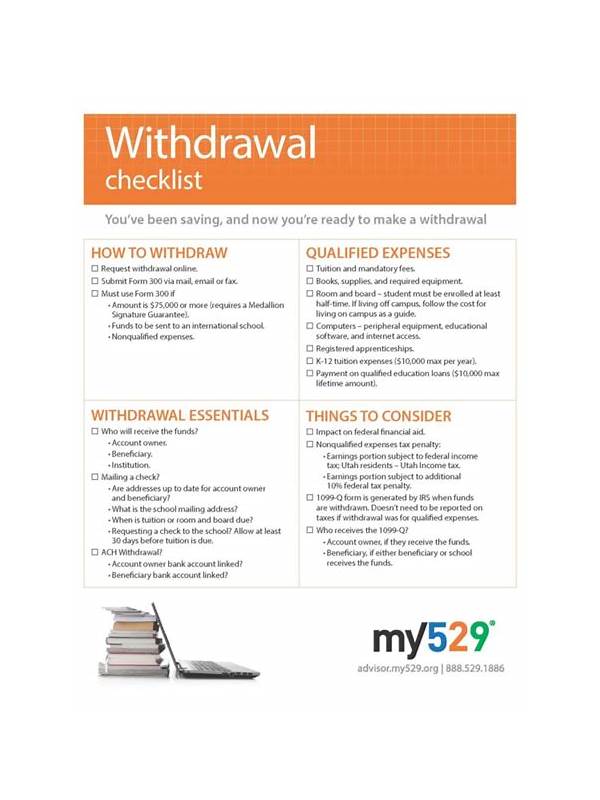
Rummy Safety: Make a Clear Deposit and Withdrawal Checklist
A short financial checklist can reduce mistakes when a platform supports deposits or withdrawals. [...]