Rummy Strategy: Give Every Waiting Card a Deadline
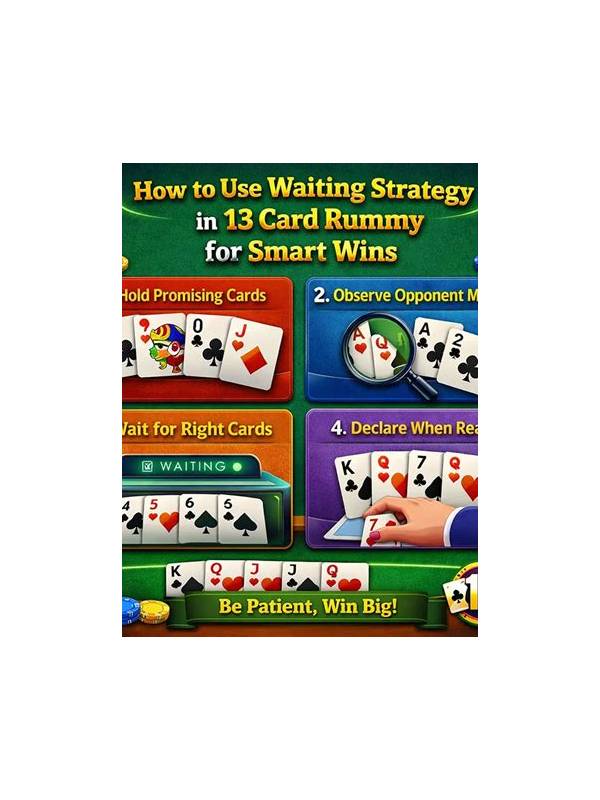
Waiting for one exact card can be reasonable, especially when it completes an important combination. The danger is allowing the wait to continue without checking whether the rest of the hand has changed. A simple deadline keeps a promising draw from becoming a habit.
Set the deadline when you first identify the draw. It might be the next two turns, or it might be the point at which a high-value card remains ungrouped. The number is less important than deciding before disappointment makes the decision emotional. Write it down mentally: “If this route does not improve by then, I will compare it with the other plan.”
At each turn, update the route count. Has a helpful card appeared in the visible pool? Did your new draw create a stronger alternative? Are the waiting cards still safe to hold? A draw that once had several useful completions may become narrow as cards leave the deck. Do not claim precise odds from incomplete information; use the update to compare relative value.
When the deadline arrives, run a reset. Keep the route only if it supports a required structure or remains clearly better than the alternatives. Otherwise, release the least useful card and build around a more flexible group. Resetting is not admitting that the original idea was foolish. It is recognizing that a plan belongs to a particular hand state.
This strategy also helps with emotional control. A missed draw can feel like a personal failure, but a pre-set rule turns it into a normal review point. The same rule should apply after a lucky completion, because success can make a narrow strategy look stronger than it was.
Use deadlines as guidance, not rigid law. A nearly complete pure sequence may deserve different treatment from a low-value speculative pair. Follow table rules, protect your budget, and stop for the day if the urge to keep waiting becomes stronger than your ability to evaluate the hand calmly.
Related Post
Rummy How-To: Build a Simple Hand State Map
A hand state map records what is confirmed, developing, and expendable so each draw starts [...]
Rummy FAQ: Can a Good Draw Still Create a Bad Decision?
A helpful-looking draw can be harmful when it encourages a narrow plan or forces a [...]