Rummy How-To: Build a Neutral Discard Pile Read
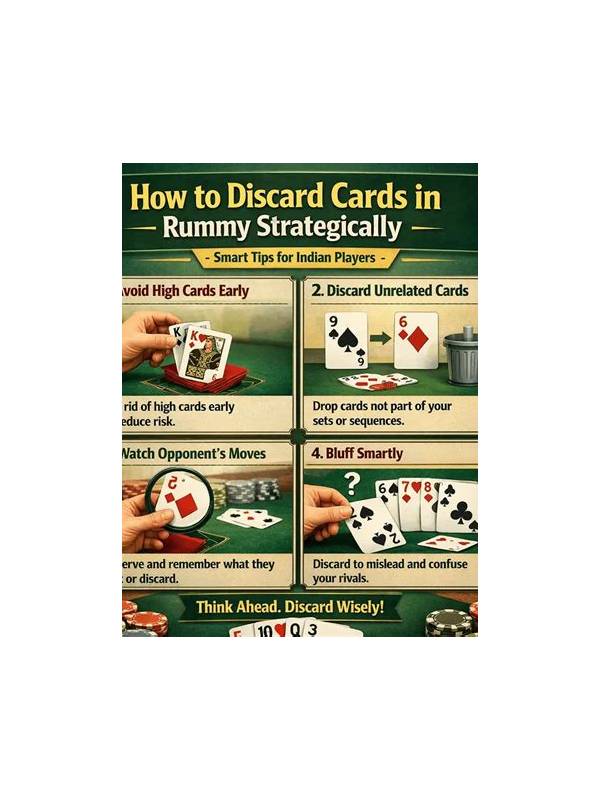
The discard pile provides clues, but it is easy to turn one visible card into an elaborate story. A neutral read is a disciplined middle position: you observe what has happened, record what it might mean, and avoid treating a possibility as a fact.
Begin with the simplest information. Note cards that have been discarded more than once, cards that were picked immediately, and ranks that have disappeared from your own working plans. A card taken from the pile tells you that it had value to someone at that moment. It does not prove which sequence or set the player is building.
Use categories rather than predictions. A discarded card may be low priority, already duplicated, unsafe to keep, or simply unsuitable for the player’s current arrangement. A picked card may be a direct fit, a speculative connector, or a defensive choice. Keeping several explanations available prevents you from playing against an imaginary hand.
The pile is most informative when a pattern repeats. If a player takes a particular suit twice, the evidence is stronger than a single pickup. Even then, ask whether the visible cards form a coherent route. Two cards of the same suit far apart may show interest, but they do not reveal a completed sequence.
Translate the read into your own decision. If a discard seems likely to help another player, avoid offering nearby cards when an equally good alternative exists. Do not ruin your own hand merely to block a guess. Your first responsibility is to create valid groups and reduce penalty exposure.
A practical note can use three columns: observed, possible meaning, and confidence. “Player picked 8 of hearts” belongs in observed. “May connect to 6-7 or 9-10” belongs in possible meaning. “Low confidence” keeps the conclusion proportionate. You can update the note after the next few turns instead of carrying a fixed assumption.
The neutral method also protects concentration. You do not need to remember every card. Track only events that could change a discard decision, and let older weak clues fade when new evidence conflicts with them.
At the end of the hand, compare your read with the revealed groups if available. Look for where you overinterpreted a single move or ignored a repeated pattern. The aim is not perfect prediction. It is a calmer discard process based on visible evidence, explicit uncertainty, and a clear connection to your own hand. Keep the read provisional. Players change plans, and a useful card on one turn may be irrelevant after the next draw.
Related Post
Rummy Hand Planning: Use a Two-Column Candidate List
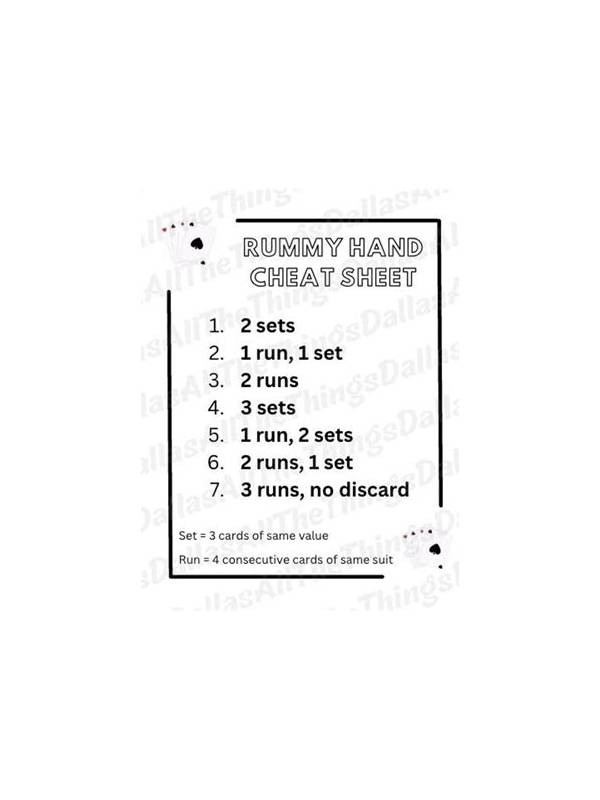
A two-column list separates established groups from hopeful combinations and makes discards easier to explain. [...]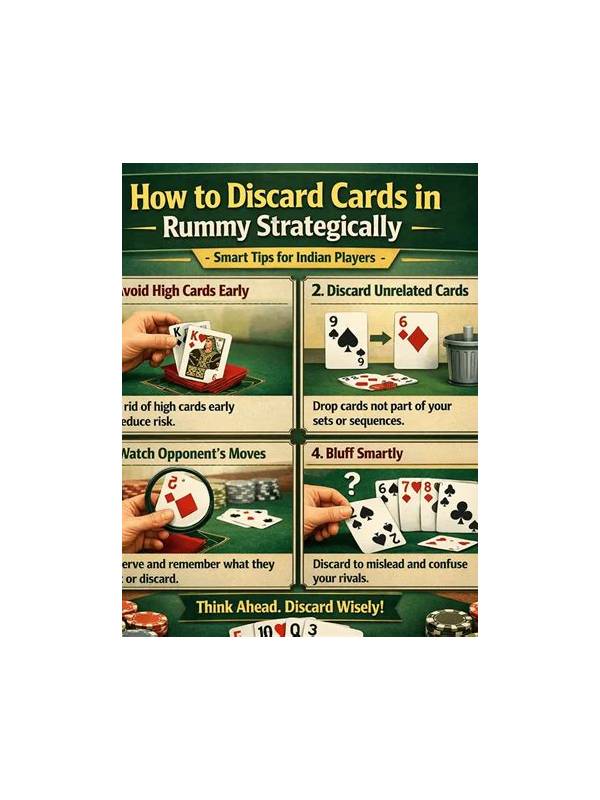
A Beginner’s Guide to Reading the Rummy Discard Area
Build a disciplined scan of the discard area without trying to guess every opponent's hand. [...]