Rummy FAQ: Can One Card Belong to Multiple Groups?

Yes, a single card can belong to multiple possible groups during planning. This is one reason early rummy hands feel flexible. For example, a middle card might connect to a same-suit pair on one side or support another pair in a different arrangement. However, when you make a final declaration, the card must be assigned to one actual sequence or set. It cannot be counted twice.
The distinction between possibility and commitment is important. While the hand is developing, you may temporarily describe one card as a connector for two routes. That description helps you preserve options. It does not mean both groups are already complete, and it does not guarantee that both routes can coexist.
Consider a hand containing 5, 6, and 7 of one suit, plus another 6 and a 7 from different suits. The first three cards can form a pure sequence. The extra cards might participate in another plan, but the shared ranks do not automatically create a valid set unless the suits and group sizes meet the applicable rules. Treat each proposed group as a separate claim that must be checked.
A useful test is to draw the groups on paper or in your head and cross out every card after assigning it. If a card is needed in two places, one of those plans is only a temporary alternative. Compare which assignment produces the required number of sequences and which leaves the fewest loose cards.
Jokers make the question more confusing because they can substitute for missing cards under many rule sets. Even then, a joker does not allow one physical card to be used in two groups. Check whether the platform has special rules for pure sequences, printed jokers, or minimum group lengths before relying on a flexible arrangement.
During the middle game, label a shared card as “reserved” only when one route has become clearly superior. Before that point, keep it available and avoid discarding cards that would destroy both alternatives. This is often safer than choosing a group too early.
Before declaring, perform a literal card audit. Every card should appear once, every group should satisfy the stated rules, and the required sequence conditions should be met. If a declaration depends on counting one card twice, it is not ready. Planning may be flexible, but the final arrangement must be exact. This final audit is especially useful when jokers or shared connectors are involved. Assign every card visibly to one group and verify that moving a shared card does not break a required condition.
Related Post
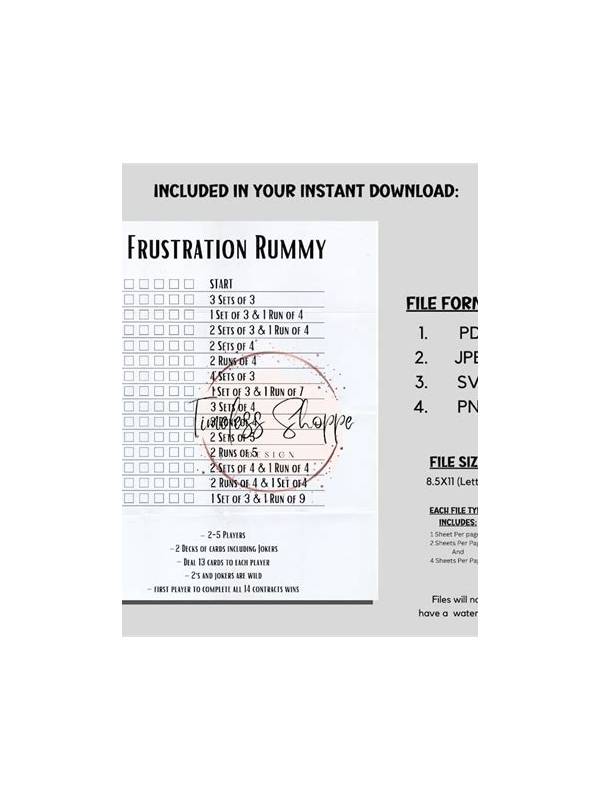
Rummy Table Re-Entry Checklist After an Unfinished Game
A re-entry checklist helps you recover the rules, state, and budget before returning to an [...]
Rummy Tips: Use a Quiet Reset After a Confusing Turn
A brief reset restores a readable hand when a draw or discard leaves your plan [...]