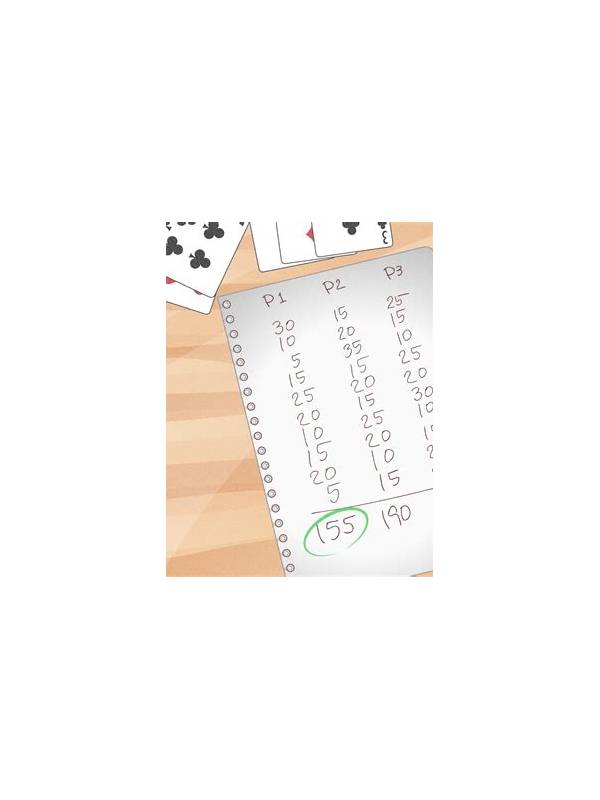
Rummy Safety: Set Time and Spending Limits Before Casual Play
A limit is most useful when you choose it before the first hand. Once a session becomes emotional, changing the limit usually means reacting to the result rather than following a plan. Time and spending boundaries are simple tools for keeping play recreational and visible.
Start with time. Decide when the session will end, including a short buffer for closing the table and checking any balance. A timer outside the game can help because the game interface may encourage you to continue from one hand to the next. If you are tired, distracted, or responsible for another task, make the limit shorter or skip the session.
If the platform involves money, use only an amount you can afford to lose without affecting essentials. Separate a session budget from rent, bills, savings, and borrowed funds. Never treat a bonus, a previous win, or an expected future win as available money. A limit is meaningful only when it is fixed in advance and cannot be topped up during the same session.
Write down two stop conditions: a clock time and a balance threshold. Add an emotional condition as well, such as stopping after repeated frustration or a strong urge to recover a loss. These conditions are not a judgment about skill. They are a way to make a decision before pressure makes it harder.
Use account tools when they are available, including deposit caps, cooling-off settings, and session reminders. Read the platform’s terms carefully to understand whether a limit applies immediately or after a delay. Keep notifications and payment confirmations private, and do not share account access with another person.
Never chase a loss by increasing stakes or extending the session. A loss is information about the result of one period, not a debt that the next hand must repay. If you notice repeated chasing, hiding play, borrowing, or difficulty stopping, take a longer break and consider speaking with a trusted person or a local support service.
After the session, record whether you followed the limits, not just whether you won. That review makes the safety habit measurable. Recreational play should fit inside your life, budget, and attention. Decide the boundary first, use the available controls, and leave when the boundary says it is time. A one-sentence purpose, such as “thirty minutes of entertainment,” can make it easier to notice when play has become an attempt to repair a mood or recover money.
Related Post
Rummy FAQ: Can You Change Your Plan After Drawing?
Changing a rummy plan is often sensible when a new card changes the balance of [...]
Rummy How-To: Use a Reset Phrase During Decision Pauses
A short reset phrase brings attention back to requirements and evidence when a rummy turn [...]