Rummy Comparison: Immediate Melds Versus Information-Preserving Discards
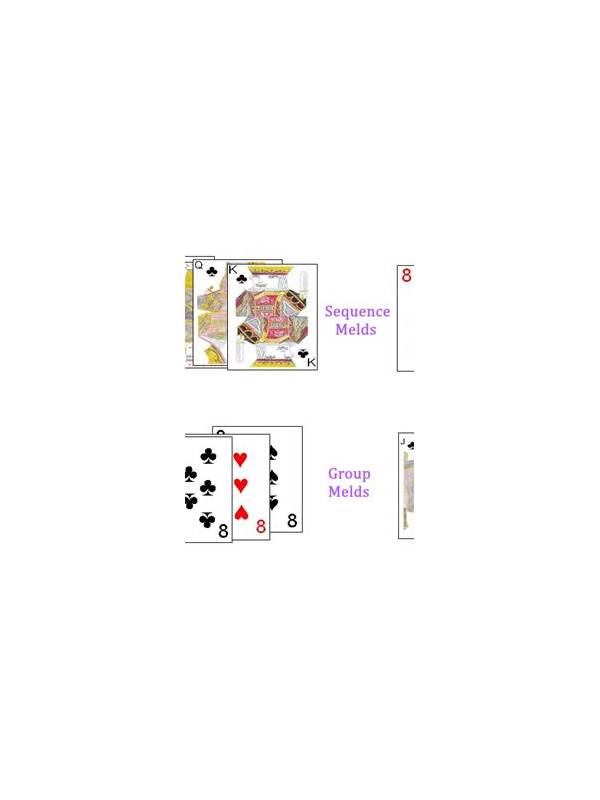
An immediate meld feels satisfying because it makes progress visible. An information-preserving discard can feel less productive, yet it may keep more future routes available. The right choice depends on the state of the hand rather than on a universal preference for speed or flexibility.
An immediate group is attractive when it completes a required structure, removes a high-value card, or reduces the number of loose cards. It is especially valuable when the group is legal and unlikely to block another necessary sequence. Confirm those conditions before calling it progress. A neat-looking pair is not the same as a completed sequence.
Preserving information means keeping cards that can reveal which route is most promising. A middle connector may fit several future groups. Holding it for one more turn can let you see whether a needed neighbor appears, whether the discard pile changes, or whether another route becomes better. The cost is that you continue carrying uncertainty.
Timing decides the comparison. Early in a hand, flexible cards often deserve protection because there is time to improve them. Later, a nearly complete legal group may matter more than a broad collection of possibilities. A high card with no clear route should not be protected merely because the game is still early.
Penalty is another deciding factor. If the immediate meld lets you release expensive leftovers, it may be worth committing. If it uses a card needed by two other routes and leaves several costly cards untouched, the visual improvement may be misleading. Count the full hand after the move.
Use a two-column check. Under “immediate group,” write what becomes complete and what remains loose. Under “preserve options,” write the best two draws, the fallback if neither arrives, and the cost of waiting. Comparing complete consequences is more reliable than comparing the attractive part of each choice.
Neither approach guarantees a win. Rummy contains uncertainty, and a good decision can produce a poor result. Judge the choice by whether it followed the available evidence, met the applicable rules, and kept the hand manageable. Commit when completion or penalty reduction justifies it; wait when flexibility has clear practical value. At a fast table, also consider whether a complicated flexible plan leaves enough attention for required checks. That practical constraint can make the apparently slower route the better real-world choice. If the table is slower, you can afford a fuller comparison, but the decision still needs a clear deadline.
Related Post

Rummy Strategy: Preserve a Backup Plan in the Middle Game
A backup route gives a crowded rummy hand a safer transition when the first plan [...]
Rummy Strategy: Compare Cards by Replacement Cost
Replacement cost helps players choose between loose cards by measuring how difficult each one would [...]