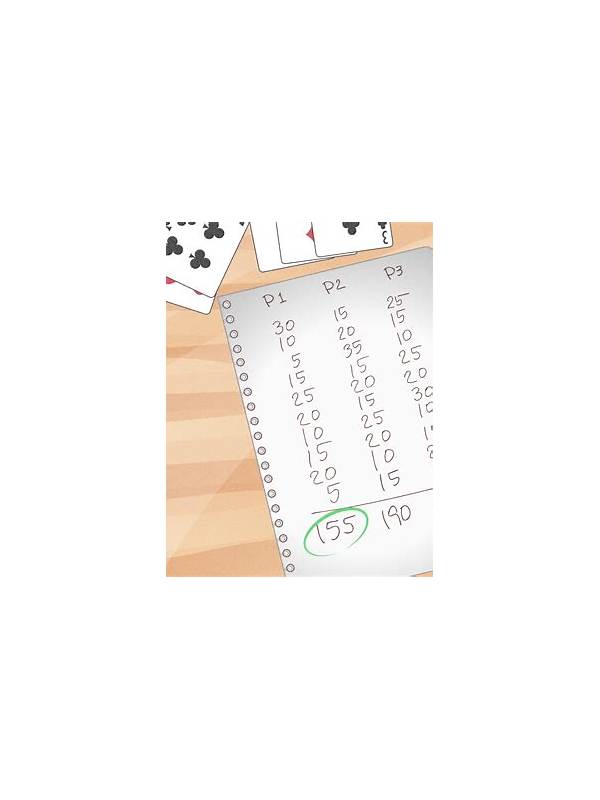
Rummy How-To: Compare Cards by Shared Neighbors
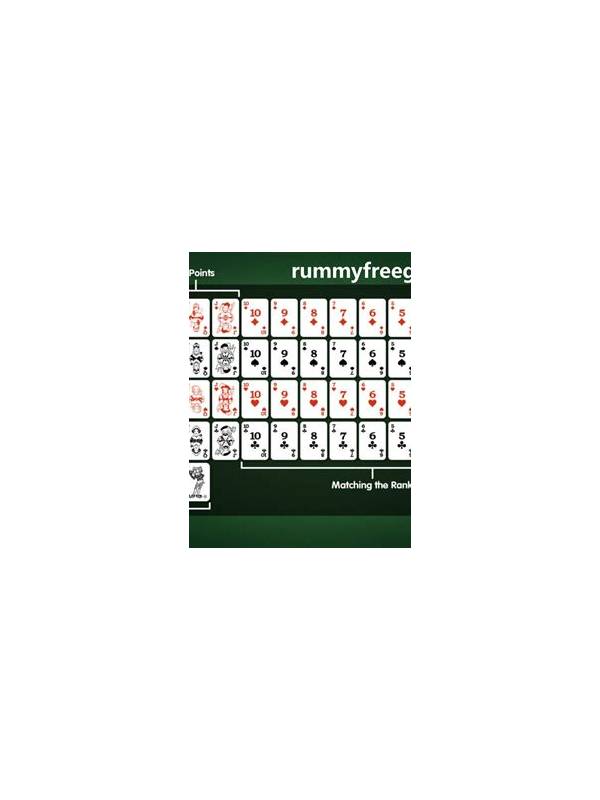
When two loose cards seem equally useful, compare their shared neighbors. A card’s neighbors are the ranks that could connect with it in a same-suit sequence. A card with several realistic neighboring possibilities can support more than one route, while a card with only one practical connection may be easier to replace.
Begin with the suit. Do not count every mathematical neighbor in the deck. Count only the cards that are still plausible in the context of your hand and the visible information. A six may connect to a five or seven, but if one of those ranks is already tied up in a completed group or has appeared in the discard pile, the connection is less useful.
Now compare two candidates. For each card, list its immediate neighbors and any two-step route it might support. For example, a middle card can sometimes bridge two nearby ranks, whereas an edge card usually has fewer directions. Then mark whether the card serves an existing pair, protects a partial sequence, or merely creates a hypothetical possibility.
Shared neighbors matter because they reveal overlap. Suppose two cards can both be improved by the same missing card. Keeping both may create competition for one narrow draw rather than two independent chances. Conversely, if each card has different neighbors, the pair may provide broader coverage. The goal is not to maximize the number of listed connections; it is to avoid mistaking duplicate hopes for separate options.
Use a short decision table: candidate card, realistic neighbors, route supported, and cost of keeping it. Include the best replacement if you discard it. This last column prevents a flexible card from receiving automatic preference. A card with many neighbors but no role in the current hand may be weaker than a less connected card that completes a required group.
Review the comparison after each meaningful draw. New cards can change which neighbors are realistic, and an opponent’s pickup can make one route less comfortable. Shared-neighbor analysis is therefore a snapshot, not a permanent ranking. It is a compact way to make loose-card decisions more deliberate without pretending that every theoretical sequence has equal probability.
Remember that shared neighbors describe structure, not certainty. A card can have several neighbors and still be poor if those neighbors require too much time. Conversely, a card with one neighbor may complete an important requirement immediately. Combine the comparison with hand count, route deadlines, and the cost of releasing the alternative card.
Related Post
Rummy FAQ: Does a Joker Always Improve a Hand?
A joker is flexible, but its real value depends on legal structure, timing, and the [...]
Rummy Comparison: Active Cards and Reserve Cards
Separating active cards from reserve cards clarifies which parts of a hand deserve immediate attention. [...]