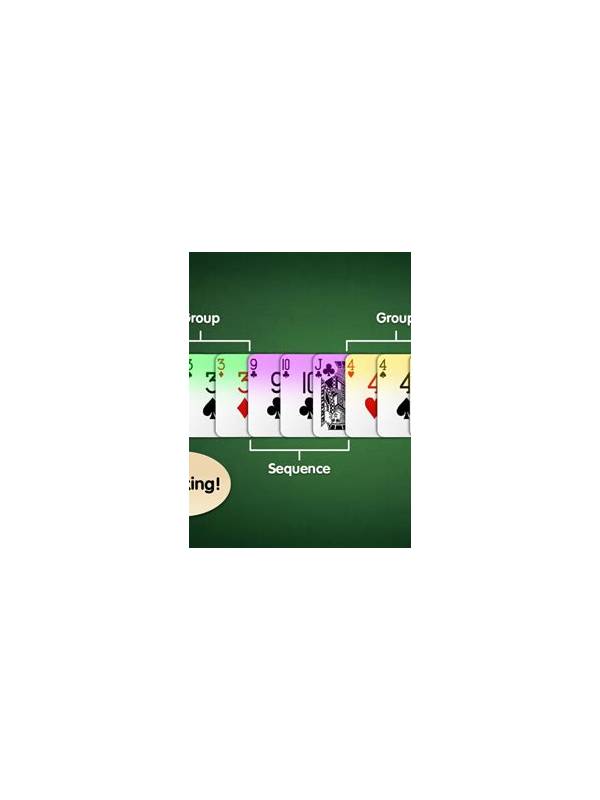
Rummy Tips: Use a Small Evidence Board During Practice
Good rummy decisions depend on information, but players often mix confirmed facts with guesses. A small evidence board, whether on paper or in a permitted practice note, can make reviews more precise. It does not need to track every card. Its job is to preserve only the observations that can change your next decision.
Divide the board into three columns: seen, inferred, and unknown. In the seen column, record facts such as a card you discarded, a card another player picked from the open pile, or a rule displayed by the table. Inferred information belongs in the middle. For example, an opponent who takes a suited seven may be interested in a sequence, but that is only a possibility. The unknown column holds cards and intentions you cannot responsibly estimate.
Before drawing, look at the board for five seconds. Ask whether your planned move relies on a fact or an inference. If it relies on an inference, consider a safer alternative that still works if the inference is wrong. This check is especially helpful when a recent pickup feels psychologically important. A single visible action can provide a clue, but it rarely proves an entire hand structure.
Keep the board deliberately small. If you record every discard, you may spend more attention maintaining the list than reading your own hand. Choose one or two observations that affect your route, then update them only when new evidence appears. When the table becomes crowded or fast, pause the note-taking and return your attention to the active turn.
After the hand, review the three columns. Which inference became accurate? Which one was convenient but unsupported? Did an unknown card remain unknown because you lacked information, or because you did not observe the relevant action? These questions improve observation without encouraging certainty about hidden cards.
The evidence board works best as a learning aid, not as a prediction machine. Its value is that it keeps your reasoning honest. By distinguishing facts, possibilities, and gaps, you can choose moves that remain sensible even when the table develops differently than expected.
For a simple exercise, pause after three turns and rebuild the board from memory. Compare your reconstruction with the cards that were actually visible. This reveals whether you are missing information or inventing it. Keep the exercise short and use free practice, since the purpose is observation rather than speed or prediction. A reliable small record is more helpful than a detailed list you cannot maintain.
Related Post
Rummy How-To: Use a Three-Question Draw Pause
A short pause before drawing can make rummy choices more consistent and easier to explain. [...]
Rummy Endgame: Count Cards That Can Still Improve Your Hand
Counting realistic improvement cards in the endgame helps players judge whether to keep a narrow [...]