Rummy Guide: Turn a Loose Hand Into Three Clear Plans
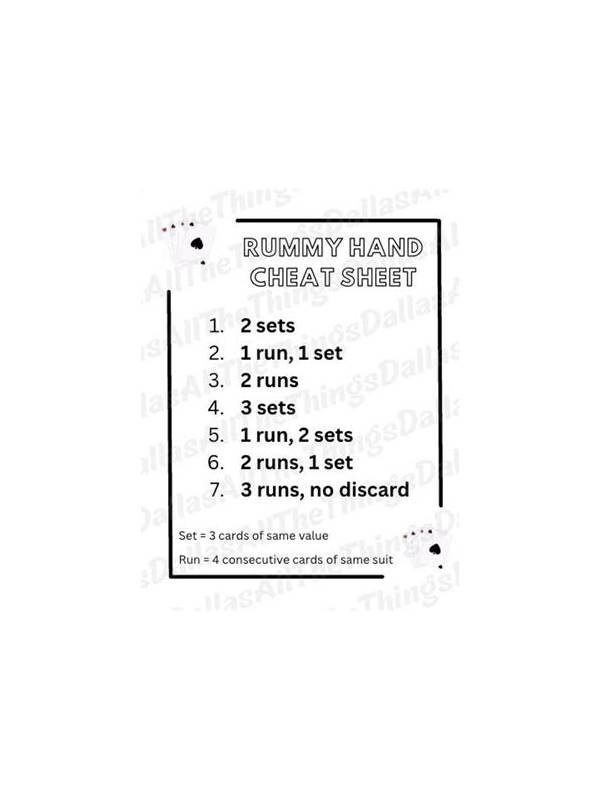
A loose hand can feel difficult because every card seems to suggest a different future. One pair points toward a set, two neighbors hint at a run, and several isolated cards compete for attention. Instead of trying to solve everything at once, create three clear plans and compare them calmly.
Start by grouping cards that already have evidence behind them. A made pair, two suited neighbors, or a joker beside a useful group deserves a place in your first plan. Do not include every attractive possibility. A plan should describe a realistic route, such as completing a pure sequence, extending a second sequence, or using a card in a set. The purpose is to make alternatives visible, not to predict the exact next draw.
Next, write down the missing cards for each route. A plan needing one of several cards is more flexible than one needing a single exact card. Also note whether the missing card is already visible in the discard pile or has been taken by another player. This small inventory turns vague hope into a comparison based on available information.
Now score each plan on three simple measures: progress already made, number of useful draws, and cost of abandoning it. A route with modest progress but many possible improvements may be healthier than a nearly complete route that depends on one card. The abandonment cost matters because holding a narrow idea may prevent you from reducing high-value cards elsewhere.
Choose one primary plan and one backup. The third can remain a reference point rather than a commitment. After your next draw, review all three briefly. If the new card strengthens the backup more than the primary, switch deliberately. If it improves none, discard the card that creates the least future flexibility.
This method is useful during practice because it reveals why a hand changed direction. Record the three plans before a decision, then compare them with the plan you actually followed. Over time, you will become better at recognizing when a loose hand is genuinely flexible and when it is merely scattered.
You can make the comparison even clearer by naming the risk in each route. One plan may risk missing a required pure sequence; another may risk carrying a high card too long. A third may risk giving up information by taking a visible discard. Naming the risk prevents you from comparing routes only by how attractive their best outcome looks. It also gives you a practical reason to switch when the risk becomes larger than the possible benefit.
Related Post
Rummy Guide: Use a Minimum-Commitment Opening
Build an opening rummy plan that preserves useful alternatives while your hand is still developing. [...]
Rummy Tournament Entry Checklist for a Calm Start
A pre-entry checklist reduces avoidable mistakes before joining a timed rummy tournament. [...]