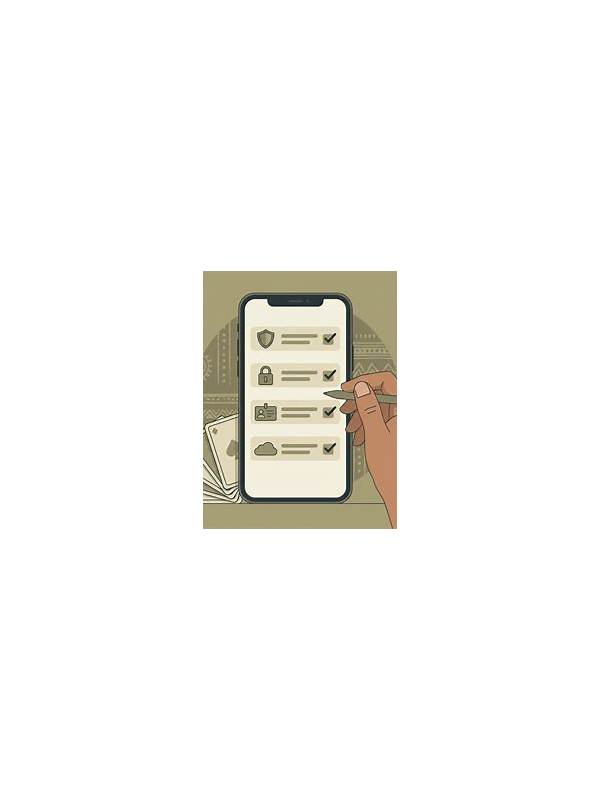
Rummy FAQ: Does Reorganizing the Hand Improve the Decision?
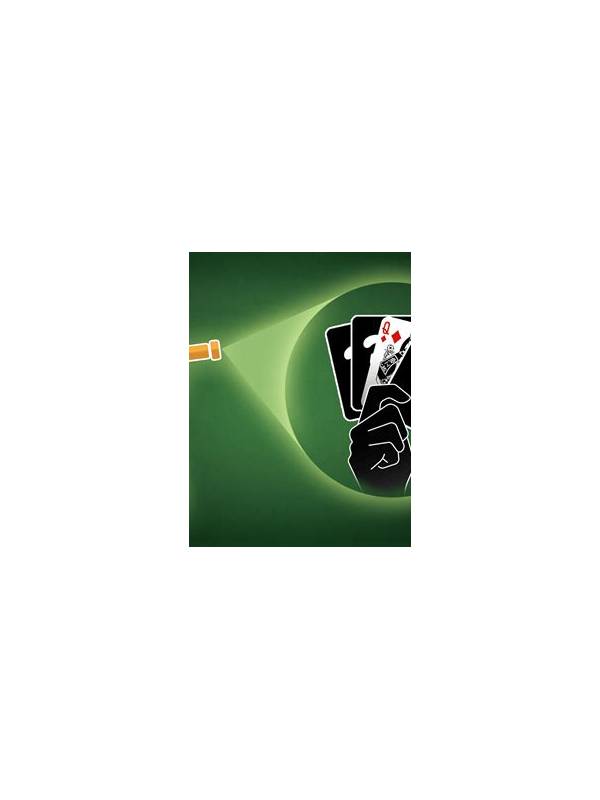
Rearranging cards can make a hand easier to read, but movement by itself does not improve the underlying decision. Reorganizing is helpful when it exposes legal groups, separates confirmed cards from possibilities, or makes a comparison clearer. It becomes unhelpful when it creates the feeling of progress without new evidence.
Use a consistent arrangement. Put completed or nearly completed groups together, keep uncertain pairs in a separate area, and place isolated cards where their point cost is visible. If you use a digital interface, choose the layout that lets you verify the cards quickly. The exact order is less important than using the same structure each turn.
After arranging, ask one concrete question. Which cards can finish a legal route? Which requirement remains unmet? Which card has the highest cost if held? If the arrangement does not help answer one of these questions, stop reorganizing and return to the draw and discard decision.
Set a time boundary, especially in a fast table. A short pause is useful; repeated sorting can cause you to miss an action or act under pressure. When you have rearranged twice without discovering new information, make the comparison using the layout you have. A clear imperfect decision is better than endless preparation.
Be careful not to treat visual symmetry as evidence. A hand that looks balanced by suit or rank may still lack the cards required for a legal declaration. Conversely, a messy-looking hand may contain a strong route. Verify the rules and count actual waiting cards rather than trusting the appearance of groups.
In practice review, note whether rearranging changed your choice or only changed your confidence. If it changed the choice, identify what became visible. If it changed only your confidence, examine whether you were using organization to avoid an uncertain decision. Good organization supports reasoning; it does not replace it.
There is also a social and technical reason to stop reorganizing. In a live table, excessive movement can make you miss a timer, a rule message, or an opponent action. In a shared physical game, repeatedly changing the layout can confuse other players. Keep the arrangement clear, respect the table’s pace, and make the final decision from verified cards rather than from a pleasing pattern. A settled layout should make the next legal action easier to verify. Clear organization should shorten the pause before a legal decision. That is the practical purpose of sorting: faster verification, not decorative order.
Related Post

Rummy Comparison: Visual Notes Versus Written Notes
Visual layouts reveal card relationships quickly, while written notes are better for tracking habits across [...]
Rummy FAQ: Should You Keep Two Separate Pairs?
Separate pairs can be useful, but only when you compare their flexibility and deadline. [...]