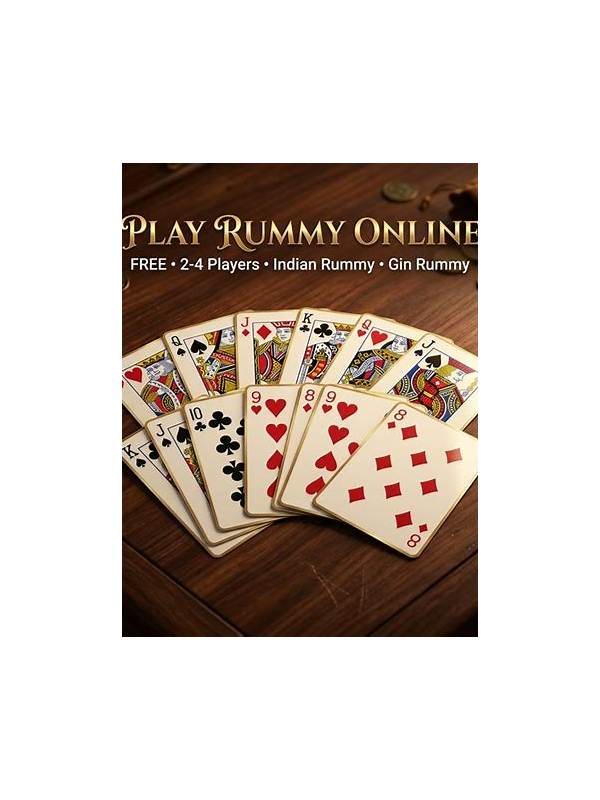
Rummy Guide: Separate Essential Melds From Helpful Melds
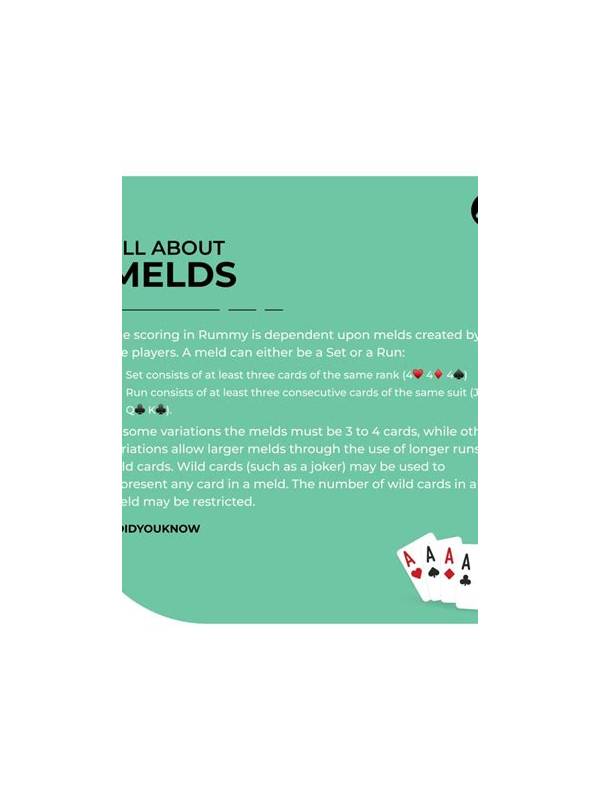
Many rummy hands look promising because they contain several pairs, runs, or sets. The difficulty is that not every attractive group has the same importance. Separating essential melds from helpful melds gives you a clearer plan for every draw.
Start by identifying the legal foundation of the hand. In a typical Indian rummy format, this means securing the required pure sequence before spending attention on decorative combinations. A group that satisfies a rule is essential. A second sequence, a set, or a near-run may be valuable, but it should not be allowed to endanger that foundation without a strong reason.
Label each card according to its job. Cards in a confirmed essential group can be marked “protected.” Cards that could join two different groups are “bridges.” A pair that has only one realistic extension is “conditional.” Unconnected high cards are usually “release” candidates. These labels are not permanent; they should change whenever the discard pile or your draw changes the evidence.
Helpful melds deserve a second review. Ask whether completing them would remove enough points, reduce the number of loose cards, or create flexibility for the final arrangement. If a helpful group needs several exact cards while an alternative group can use many ranks, keep the broader route in mind. A visually neat pair is not automatically a good investment.
Before discarding, test the cost of breaking an essential meld. Would the break leave another pure sequence? Would it turn a manageable hand into an exact-draw problem? Could the same card serve as a bridge elsewhere? This short test prevents a common mistake: sacrificing a legal foundation because a temporary set feels more complete.
The classification also improves endgame decisions. Once the essential melds are secure, helpful groups can be compared by speed and safety. Choose the group that reduces uncertainty and leaves a sensible discard, rather than chasing the most exciting possibility. If no helpful group is progressing, release the one with the fewest useful connections.
Use this method in practice games by writing three words beside each group: essential, helpful, or conditional. After the round, check whether your labels changed at the right moments. The goal is not rigid play. It is to make sure every risky decision is made with a clear view of which part of the hand protects legality and which part merely improves comfort.
Related Post
Rummy Comparison: Open Information Versus Private Notes
Compare memory-based observation with private notes to find a practical way to track a rummy [...]
Rummy FAQ: Why Does a Good Opening Still Need a Plan?
A promising opening reduces uncertainty but does not remove the need to manage draws, discards, [...]