Rummy Comparison: Short Session or Long Session?
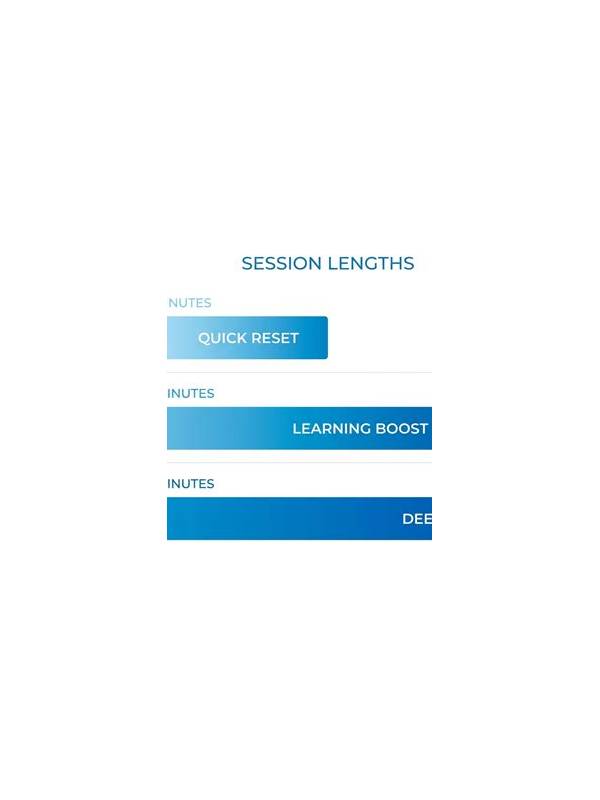
Session length changes how you experience rummy. A short session may keep attention fresh and make it easier to stop on schedule. A longer session offers more time to practice patterns but can increase fatigue and encourage decisions made simply because you have already invested time. Comparing the two helps you choose deliberately.
Short sessions are easier to define. You can set a fixed number of hands or a fixed time window before starting. This boundary supports a clear review afterward and reduces the temptation to continue chasing a result. Short sessions are useful for learning one skill, such as evaluating discards, because the goal remains narrow.
Long sessions can provide a broader sample of situations. You may see different table speeds, hand shapes, and endgame pressures. However, the quality of attention can change after many decisions. Fatigue may show up as missed rules, rushed confirmations, or emotional reactions to ordinary outcomes. A longer session therefore needs planned breaks, not only a final stopping point.
Compare the financial and practical limits as well. Use only an amount that is separate from essential expenses, and understand the table’s entry or stake structure before joining. A session should not become longer because you are trying to recover a loss. If the platform offers responsible-play controls, consider using time or spending limits before beginning.
Your purpose matters too. For practice, several short sessions with notes may teach more than one extended block played on autopilot. For social play, a longer session may be enjoyable if everyone agrees on breaks and boundaries. For competition, follow the event rules while respecting your physical and mental limits.
Choose the session length you can finish with clear attention and no pressure to extend. Write down the endpoint, take a break when concentration drops, and review decisions rather than only wins or losses. The best format is the one that keeps play understandable, affordable, and easy to leave when the planned boundary arrives.
Before starting, write down a stop signal that is independent of the score: a clock time, a hand count, or a planned break. When it arrives, stop long enough to decide consciously whether another session is appropriate. This removes the pressure of making the decision while reacting to the last result. Good boundaries support enjoyment because they keep the activity within its intended role.
Related Post

Rummy Comparison: Fast Discards Versus Careful Discards
Discard speed can support rhythm, while careful review protects accuracy; the right balance changes with [...]
Rummy Practice: The One-Card Improvement Exercise
Practice evaluating one hypothetical draw at a time to improve hand reading without overplaying. [...]