Rummy Guide: Treat a Pair as a Choice, Not a Commitment
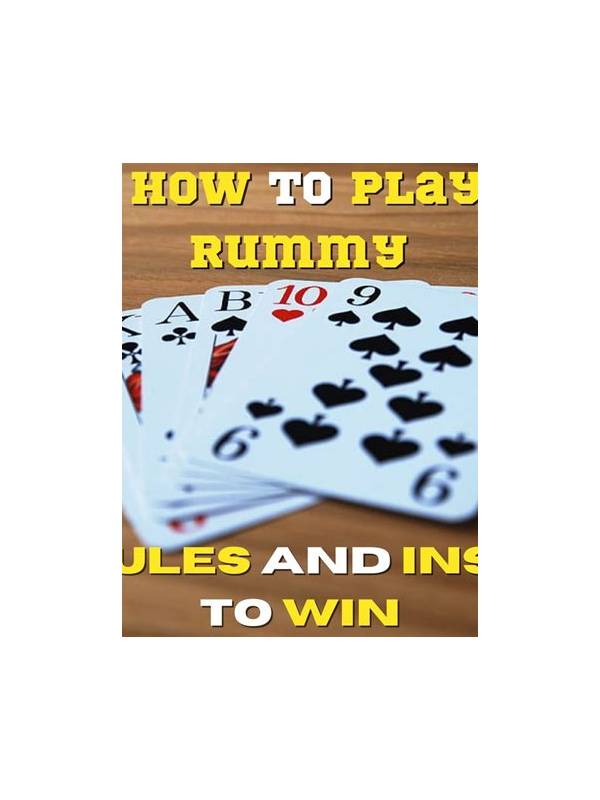
Pairs are visually satisfying in a rummy hand, but they are not automatically a set in progress. A pair can become a set, serve as part of a sequence, or remain a temporary holding while you wait for better information. Treating it as a choice keeps you from committing too early.
Start by naming the pair’s realistic routes. If the cards share a rank, identify the suits that could complete a set under the table rules. If they share a suit and are near each other, list the sequence positions that could connect them. A pair that supports both a set and a run has more flexibility than one with only a single narrow continuation.
Then inspect the rest of the hand. A pair may be useful because it complements an existing group, or it may compete with another card for the same missing slot. If two incomplete groups both need one card, consider which route is easier to complete and which leaves fewer expensive leftovers. Do not evaluate the pair in isolation.
The discard pile can change the assessment, but visible absence is not proof that a card is unavailable. If a required card has already appeared, the route may be less attractive, yet hidden copies or variant rules can matter. Use the information as a probability clue rather than a certainty. Avoid revealing a plan solely to test whether an opponent reacts.
Timing is crucial. Early in a hand, keeping a flexible pair may be sensible while confirmed groups are protected. Later, an unresolved pair can become a liability if it occupies space needed for a safer structure. Reassess after each draw, especially when a new card creates a confirmed sequence or makes another route clearly superior.
Before discarding one member of the pair, ask what you are buying. If the discard reduces point exposure and preserves another complete group, it may be correct. If it breaks your only plausible route without a replacement, pause. A pair is a resource, not a promise. Use it when its role is concrete, and release it when the hand’s stronger structure has moved elsewhere.
One helpful question is, “What would make this pair change jobs?” A matching rank may become a set candidate after one draw, while a same-suit pair may become part of a run. Naming that trigger keeps the pair under review. If the trigger does not appear after several turns, the opportunity cost of continuing to wait should be included in the next discard comparison.
Related Post

Rummy Comparison: One Strong Plan or Two Smaller Plans
Keeping one strong plan or two smaller plans depends on route quality, requirements, and the [...]
Rummy Tips: Handle a Run of Dead Draws
Several unhelpful draws call for a structured reassessment rather than automatic chasing or panic discards. [...]