Rummy FAQ: Should You Sort Cards by Suit or Rank First?

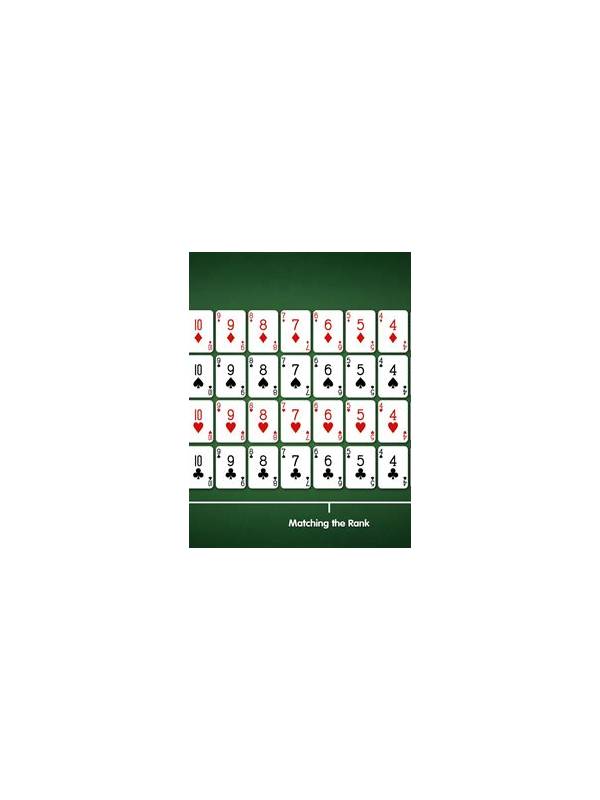
There is no permanent winner between sorting by suit and sorting by rank. Each view reveals a different kind of information. Suit order makes sequences easier to see, while rank order makes sets and repeated values easier to compare. The most reliable method is to use both views briefly instead of choosing one and ignoring the other.
Start with suit because sequences often need a visual scan. Place cards from low to high within each suit, leaving a clear space between suits. Look for consecutive runs, one-card gaps, and isolated cards. Do not label every pair as a plan. A pair with several possible neighbors is more useful than a pair at the edge of a suit with only one likely connection.
Then switch to rank. Group cards with the same number or face value and check whether they form a set, nearly form one, or merely consume space. This second view can reveal that a card you considered part of a sequence is actually the best bridge between two possible sets. It also helps you identify duplicated high cards that create a large penalty if held without support.
After both scans, return to a normal suit arrangement. The goal is not to keep rearranging the hand; the goal is to make two different kinds of structure visible before choosing a discard. With practice, the full routine can take only a few seconds.
Sorting order should also reflect the stage of the hand. At the beginning, suit-first sorting is useful because you are searching widely for sequences. Later, rank-first checking can help when a set is one card away or when the discard pile has revealed repeated ranks. If the hand is almost complete, avoid changing the arrangement so often that you lose track of the groups you have already confirmed.
Digital tables may sort automatically, but automatic order is not always the clearest order. Learn what the interface is showing and, when possible, use spacing or temporary notes to mark your current plans. A consistent visual routine reduces rushed decisions and makes it easier to explain why a discard belongs outside the main structure. The best sorting method is therefore not a strict rule; it is a fast two-pass inspection that exposes both sequence and set opportunities.
If you are teaching a beginner, demonstrate the two passes with the same hand. Ask them what they notice in suit order, then what becomes visible after grouping by rank. This makes the distinction concrete and avoids presenting sorting as a matter of personal preference. With repetition, the player will recognize both views without physically moving every card, which keeps the routine quick at a live table.
Related Post

Rummy First-Turn Choices: Building a Plan From Imperfect Cards
A first-turn checklist helps you build a realistic rummy plan before chasing attractive but distant [...]
Rummy Tips: Use Plain Language for Better Hand Reviews
Clear review notes help players learn from rummy decisions without hindsight confusion. [...]