Rummy Safety: Keep a Neutral Record of Session Limits
A neutral session record is a short factual note made before and after playing rummy. It can include planned duration, any spending limit, the number of hands, and whether a break occurred. The purpose is awareness, not self-criticism.
Before starting, write the boundary in concrete terms. For example, note a finish time and a maximum amount you are willing to risk, if the activity involves money. Treat the amount as a ceiling, not a target. If the platform or local rules are unclear, avoid real-money play until you understand the conditions and your eligibility.
After the session, record what actually happened. Include start and finish times, whether you extended the session, and how you felt near the end. Do not rewrite the original plan to make the result look better. Seeing the difference between intention and behavior is the useful part of the exercise.
Keep the language neutral. “Played twenty minutes beyond the planned stop” is more actionable than “had no control.” If a limit was difficult to follow, pause future play and consider discussing the pattern with someone you trust. Support is appropriate whenever play affects sleep, finances, relationships, or daily responsibilities.
Protect the record itself. Store it privately and do not include passwords, payment details, one-time codes, or other sensitive information. A simple note with dates and totals is enough. Never share account credentials with someone who offers to manage limits for you.
Review several records together rather than reacting to one unusual session. Repeated extensions, skipped breaks, or attempts to recover losses are warning signs that your plan is not working. The safest response is to stop and seek local responsible-gaming or mental-health support, not to create a more complicated strategy for continuing.
The record is successful when it helps you notice reality early. Recreational play should fit comfortably inside your time, financial, and personal boundaries.
If money is involved, keep the record free of borrowed funds and avoid changing the limit during play. A budget decision made while calm is easier to evaluate than one made after a win or loss. If you are under the legal age or the activity is restricted where you live, do not participate. The safest record may simply show that you chose not to continue until the conditions are clear.
A trusted person can help you check whether the boundaries are realistic, but they should never hold your money or credentials. If you cannot maintain a limit, stepping away is the responsible choice. No strategy can remove the financial and emotional risks of chasing.
Related Post
Rummy Guide: Turn a Loss Into One Actionable Lesson
A focused review routine helps you learn from a losing rummy round without relying on [...]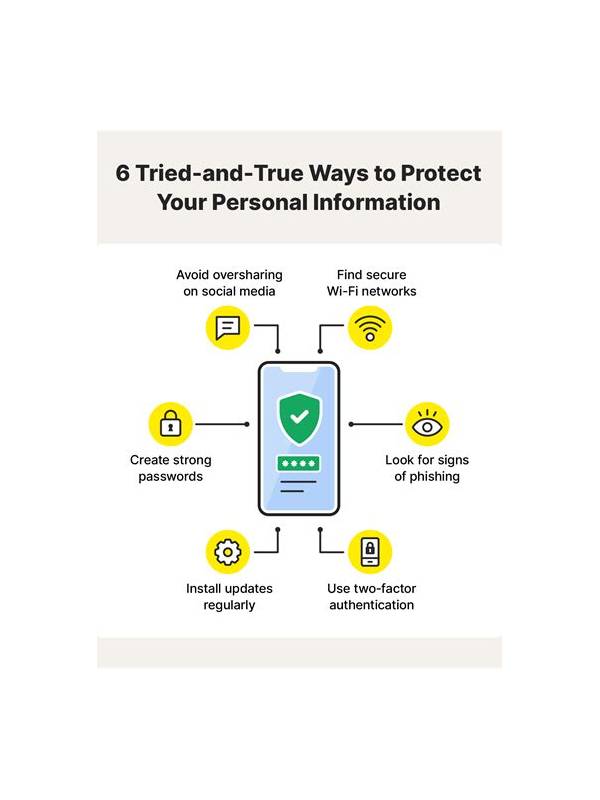
Rummy Safety: Keep Personal Details Out of Game Chats
Simple privacy habits can reduce avoidable exposure while you play online rummy. [...]