Rummy FAQ: What Does a Dead Card Mean
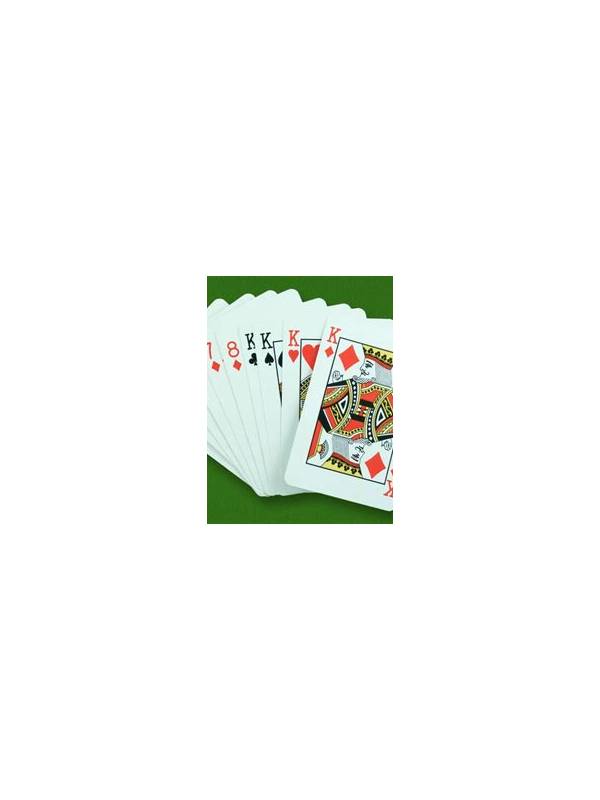
A dead card is a card that has very little realistic use in the hand you are building. It is not necessarily useless in every hand, and it may be valuable to another player. Calling it dead means that, given the current combinations, timing, and rules, keeping it is costing more than it is contributing.
An isolated high card is a common example. It carries scoring risk and has no clear neighboring cards or set partners. But a low card can also be dead if it belongs to a narrow plan that has no time left. The label depends on context, not rank alone.
To identify one, ask whether the card supports a confirmed group, a credible possibility, or neither. Then count the realistic cards that could improve that possibility. If only one exact card would help and several turns have already passed, the card is a strong discard candidate. If it supports two different arrangements, keep it under review even if neither is complete.
Watch for changing information. A card may become dead after you draw a better substitute, or become useful when an open discard creates a new route. Do not make the label permanent. Reassess when the hand changes, especially after a joker, a completed sequence, or a visible discard that affects your options.
Discarding a dead card does not require certainty. You are choosing the card with the weakest expected contribution. Before releasing it, consider whether the discard tells opponents anything important and whether another card has a similar value but more flexibility. If two cards are equally weak, prefer the one that is less likely to complete a visible opponent pattern, while remembering that you cannot know another hand completely.
The practical lesson is to remove cards for a reason, not because they feel awkward. A dead-card review keeps the hand compact, protects against high penalties, and makes future draws easier to evaluate. It is a decision category, not a prediction of who will win. Dead-card thinking should never be used to justify a rushed or illegal declaration. Remove the weak card, then inspect the remaining groups again. If the hand still lacks a required pure combination, its other cards may need a different priority. The label helps with selection, but the rules decide whether the finished arrangement is acceptable.
Related Post
Rummy How-To: Create a Personal Variant Rule Card
A one-page rule card makes switching between rummy variants safer by keeping important differences visible. [...]
Rummy Comparison: Open Versus Closed Draw Information
Comparing open and closed draws helps players balance useful information against hidden possibilities. [...]